What Are Cannabis Concentrates and How Are They Made?
November 12, 2026
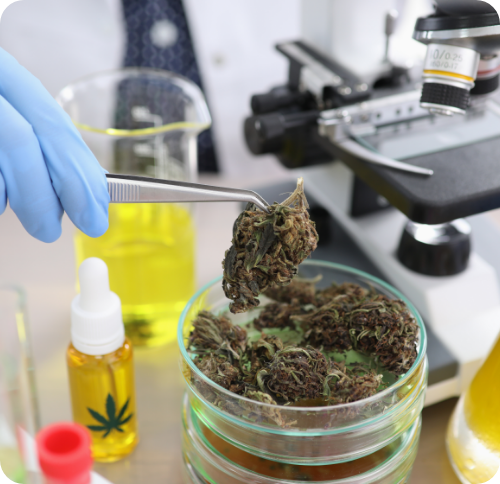
Cannabis concentrates are products made by separating resin and other desired compounds from cannabis plant material. They come in different forms, textures, and strengths, depending on the starting material and the method used to produce them. Some concentrates are soft and creamy, while others have a sticky, oily, or solid texture. Understanding what is cannabis concentrate can help readers learn how these products differ from dried cannabis flower and why manufacturing methods matter. It is also important to understand the role of terpenes, product testing, and safe handling when discussing concentrates.
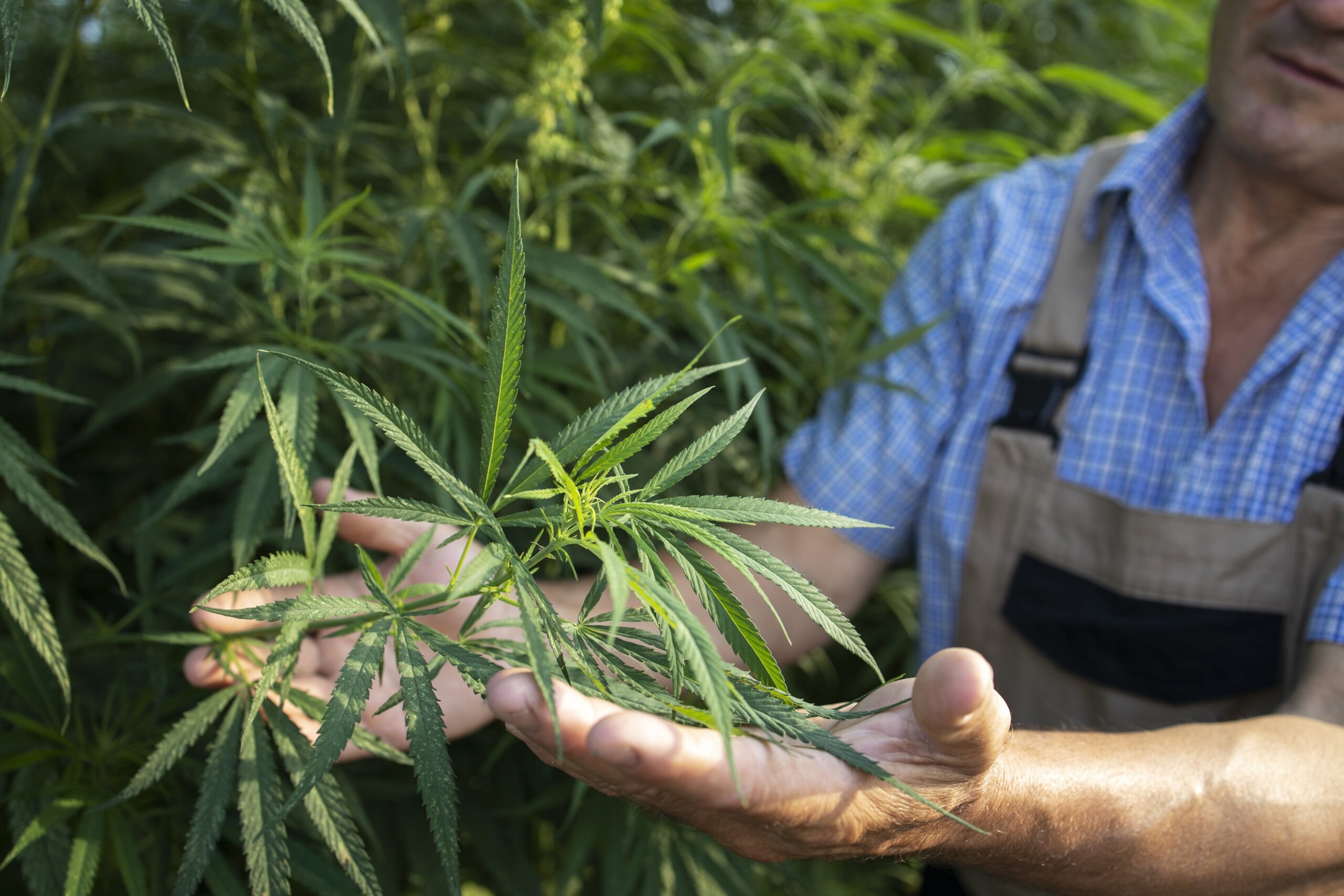
A cannabis concentrate is a product made by collecting and processing resin from cannabis plant material. This resin contains cannabinoids, such as THC and CBD, along with terpenes that contribute to the plant’s natural aroma and flavor.
Unlike dried cannabis flower, a concentrate contains these compounds in an extracted form. Its composition depends on the plant material, extraction method, and any additional processing performed after extraction.
When people ask what is cannabis concentrate, they are often trying to understand why concentrates look different and how they are produced. The answer depends on the type of concentrate and the techniques used during manufacturing.
Greenmount LLC describes several concentrate types, including live resin, badder, distillate, and rosin. Each has different production characteristics and may have a different appearance, texture, and chemical profile.
Cannabis concentrates are not all made in the same way. The starting material and processing method influence the final product, so understanding the main categories provides useful context.
These categories describe different approaches to producing cannabis concentrates. Their actual characteristics can vary based on the starting material, manufacturing conditions, and final formulation.
The method used to produce a concentrate affects its composition, texture, and flavor. Some methods use solvents to separate resin from plant material, while others rely on pressure and heat.
| Concentrate type | General production method | Key characteristic |
| Live resin | Extraction using fresh-frozen cannabis material | Focuses on preserving natural terpene character |
| Badder | Extraction followed by controlled processing | Soft, creamy texture |
| Distillate | Extraction followed by further refinement | Refined extract with concentrated compounds |
| Rosin | Pressing with heat and pressure | Solventless extraction method |
This comparison provides a general overview rather than a guarantee of specific potency or quality. Products can differ even when they share the same category, so testing and accurate product information remain important.
Greenmount LLC describes capabilities that include hydrocarbon extraction and solventless rosin production. The appropriate process depends on the type of concentrate being manufactured and the characteristics required for the finished product.
Concentrate production involves several stages, and the exact process depends on the product. Manufacturers must manage the starting material, equipment, and processing conditions to produce an extract that meets its specifications.
Common stages may include:
Greenmount LLC describes using controlled extraction equipment and documented manufacturing procedures. These controls are particularly important when production involves volatile solvents.
Hydrocarbon extraction requires specialized equipment, appropriate ventilation, trained personnel, and a facility designed for the process. It should not be attempted using improvised equipment or in an ordinary home environment.
Cannabinoids and terpenes are two important groups of compounds found in cannabis. They contribute different characteristics to the plant and its extracts.
Cannabinoids include THC and CBD, which are commonly discussed when describing a product’s composition. Terpenes contribute to aroma and flavor, and their levels can vary between cannabis varieties and manufacturing methods.
When learning what is cannabis concentrate, it is helpful to understand these terms:
A product’s aroma or appearance cannot reliably show its potency. Laboratory testing and accurate labeling provide more useful information about its measured composition.
Testing is an important part of concentrate manufacturing because it helps identify product characteristics and possible contaminants. A concentrate may look clean and have a strong aroma, but appearance and smell cannot confirm its safety or composition.
Greenmount LLC describes testing and quality controls as part of its manufacturing operations. Depending on the product and applicable requirements, important checks may include:
Testing requirements depend on the product and jurisdiction. Businesses should confirm that the appropriate checks and documentation are complete before a product enters the permitted distribution system.
Packaging protects the concentrate and provides information about its contents. Labels can help readers identify the product type, review its stated composition, and understand the applicable warnings.
When reviewing a concentrate, look for the following details:
Clear labeling helps reduce confusion between products that may look similar but are made differently. It also helps businesses communicate product information accurately without making unsupported claims.
Choosing how to compare concentrates starts with understanding the product’s purpose, production method, and verified composition. Different textures or flavor descriptions do not automatically indicate higher quality or greater potency.
Before comparing products, consider these questions:
These questions provide a practical way to understand product differences without relying only on appearance or marketing language. Concentrates may contain high levels of THC, so accurate potency information and compliance with applicable laws are important.
Cannabis concentrates are made by separating resin and desired compounds from cannabis plant material, using methods that influence texture, aroma, and composition. Live resin, badder, distillate, and rosin each have distinct production characteristics. Understanding what is cannabis concentrate also means recognizing the importance of controlled manufacturing, laboratory testing, accurate labeling, and safe handling. Greenmount LLC describes extraction and concentrate manufacturing processes that use specialized equipment and quality controls. By learning how concentrates differ and what product information means, readers can better understand these products and the standards involved in their production.