What Are Cannabis Concentrates and How Are They Made?
November 12, 2026

Custom-branded cannabis vape products involve more than choosing a name or designing packaging. Businesses must consider product formulation, flavor profile, manufacturing quality, testing, and regulatory requirements before bringing a product to market. Live resin products have their own characteristics because their production focuses on preserving the natural terpene profile of cannabis. Understanding how custom branded live resin vapes are developed can help retailers and licensed cannabis businesses make informed decisions about product identity, consistency, and compliance. Each stage requires careful planning, clear communication, and attention to applicable manufacturing standards.
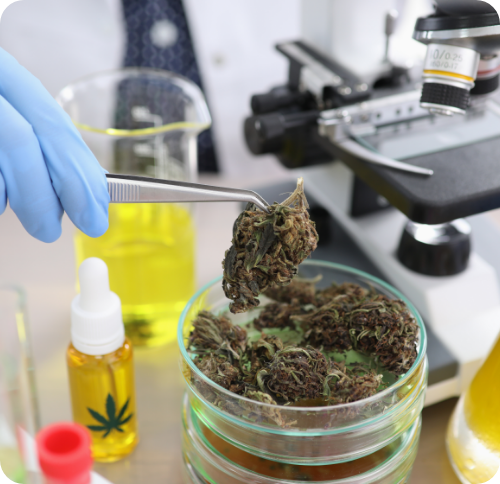
Live resin is a cannabis concentrate made using fresh-frozen cannabis material. Freezing the plant material soon after harvest helps preserve its natural terpene profile, which contributes to the extract’s aroma and flavor. The resulting concentrate can be formulated for use in vape cartridges.
Unlike products made from dried and cured cannabis, live resin starts with fresh-frozen material. This difference in starting material and processing can influence the extract’s final characteristics.
Greenmount LLC produces live resin cartridges using hydrocarbon extraction in a regulated manufacturing setting. Its approach combines extraction systems, strain-specific formulation, and small-batch production to support product quality and consistency.
Custom branding allows a licensed cannabis business to develop a product identity that fits its intended market. However, the branding process should begin with decisions about the product itself rather than packaging alone.
Businesses exploring custom branded live resin vapes should consider several important areas before production begins:
These decisions help establish a clear brief for product development and reduce the chance of confusion during later stages.
Formulation influences a vape product’s aroma, flavor, and cannabinoid composition. With live resin, the starting cannabis material and the way the extract is handled can affect the final profile.
Greenmount LLC describes its formulation approach as strain-specific, while also offering blended terpene profiles for custom products. The right option depends on the product concept and the characteristics a business wants to communicate accurately.
| Formulation consideration | What it means |
| Strain-specific profile | Focuses on the characteristics associated with a particular cannabis strain |
| Blended terpene profile | Combines terpene profiles to create a selected aroma and flavor direction |
| Potency | Refers to the measured cannabinoid content of the finished product |
| Batch consistency | Involves monitoring production so batches meet defined specifications |
A particular aroma or flavor does not guarantee a specific effect. Product descriptions should remain accurate, supported by testing, and consistent with applicable labeling rules.
Manufacturing practices are important because the final product depends on both the starting material and the process used to turn it into a finished cartridge. Equipment, operating procedures, and batch records help manufacturers manage production carefully.
Greenmount LLC operates certified Type 7 volatile extraction systems for hydrocarbon methods used in live resin production. The company also uses closed-loop systems designed for controlled extraction and follows documented procedures for its manufacturing operations.
Key considerations include:
Hydrocarbon extraction involves flammable materials and requires appropriate facilities, trained personnel, and suitable safety controls. It should not be attempted in an ordinary home setting.
Product testing and regulatory compliance are central to responsible cannabis manufacturing. Testing helps assess the finished product’s cannabinoid potency and whether it meets relevant safety requirements.
Greenmount LLC states that its products undergo required state testing and that its facility maintains batch documentation and tracking under applicable California requirements. These measures help support traceability and regulatory oversight.
Before finalizing a product, licensed businesses should confirm that the manufacturing and distribution arrangements address the rules in their intended market. Important points to review include:
Requirements can differ by jurisdiction and product type. Businesses should confirm current obligations with qualified compliance professionals and the relevant authorities rather than assuming that one approval applies everywhere.
Packaging is part of a product’s identity, but it also serves practical and regulatory purposes. It protects the product, communicates required information, and helps businesses present products consistently across their range.
When developing custom branded live resin vapes, businesses should consider packaging early enough to account for applicable requirements before production is finalized.
Useful packaging considerations include:
Packaging rules may specify requirements for size, design, warnings, and the placement of information. A design that looks suitable is not necessarily compliant, so regulatory review should take place before products are released.
Once the formulation and packaging requirements are established, businesses need to align production expectations with the manufacturing process. Clear planning helps both parties understand what needs to be produced and which quality standards must be met.
Small-batch manufacturing can allow closer attention to individual production runs. Greenmount LLC describes its approach as emphasizing strain-specific formulations, hands-on quality control, and limited product releases.
Before a production run begins, businesses should clarify the following points:
Consistency does not mean that every natural cannabis extract will be chemically identical. Starting material can vary, which makes careful documentation, testing, and quality controls important throughout production.
Developing a branded live resin vape product involves careful decisions about formulation, manufacturing, packaging, testing, and compliance. Each stage contributes to how the finished product is identified, produced, and prepared for the legal market. Businesses should establish clear specifications, understand the differences between strain-specific and blended terpene profiles, and verify all required testing and labeling before distribution. Custom branded live resin vapes require more than an appealing design because product quality and regulatory responsibilities remain essential. Greenmount LLC emphasizes small-batch production, controlled extraction, and documented quality practices in its manufacturing approach.