What Are Cannabis Concentrates and How Are They Made?
November 12, 2026

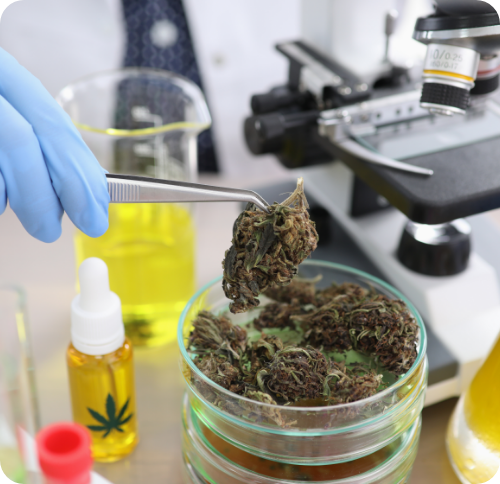
Cannabis concentrates are products made by separating resin and other desired compounds from cannabis plant material. They can have different textures, strengths, and appearances depending on the starting material and the production method. Some concentrates are soft and creamy, while others have a sticky, oily, or solid consistency. Understanding how to make cannabis concentrate involves learning about extraction methods, cannabinoids, terpenes, and quality testing. It is also important to understand that concentrate production requires suitable facilities, trained professionals, and careful attention to product safety.
Cannabis concentrates are products created by collecting resin-rich compounds from cannabis plant material. This resin contains cannabinoids and aromatic compounds that contribute to the product’s characteristics.
Concentrates differ from dried cannabis flower because the desired compounds are collected into a more concentrated form. Their appearance and texture depend on the material used and how the final product is processed.
Common characteristics include:
Understanding these characteristics helps explain why concentrates are not all identical.
Cannabis concentrates are available in several forms, each with its own texture and processing characteristics. The names often describe the final product’s appearance or the method used to produce it.
Some common types include:
These categories help explain the differences between concentrates. However, the appearance of a product alone does not establish its purity, safety, or overall quality.
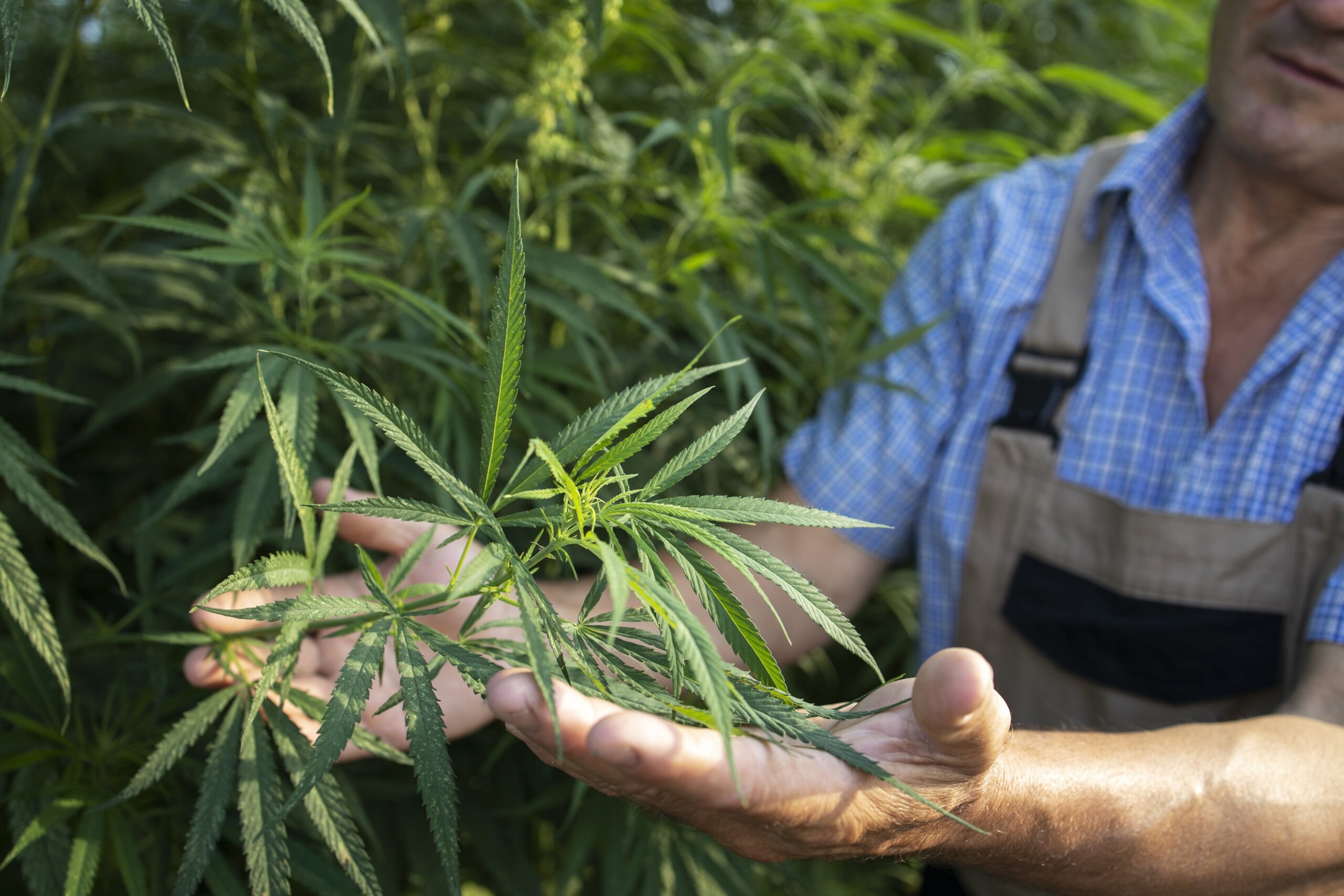
The starting material plays an important role in the final characteristics of a cannabis concentrate. Its condition and composition can influence the compounds available for collection and the aroma of the finished product.
Before production begins, trained professionals consider several factors:
When researching how to make cannabis concentrate, it is useful to understand that the final product depends on more than one processing step. Material selection, handling, and testing all contribute to the result.
The extraction method determines how resin is collected and influences the final concentrate’s characteristics. Greenmount LLC describes both volatile solvent extraction and solventless pressing as part of its manufacturing capabilities.
The main methods include:
These methods require different equipment and procedures. They are not interchangeable, and the appropriate approach depends on the type of concentrate being produced.
Read Also:- How to Make Cannabis Concentrate: Process and Key Considerations
When people research how to make cannabis concentrate, they may imagine extraction as a single step. In professional manufacturing, however, the process includes preparation, extraction, refinement, testing, and packaging.
A typical production workflow includes the following stages:
The exact workflow varies with the product and method. These stages are carried out in appropriately equipped facilities rather than through an improvised process.
Extraction does not always produce the finished concentrate immediately. Some products require additional processing to achieve their intended texture, composition, or consistency.
Greenmount LLC identifies several post-processing approaches within its manufacturing process, including purging, whipping, and distillation. The method used depends on the type of product being made.
| Processing approach | General purpose |
| Purging | Helps remove residual solvents from applicable extracts under controlled conditions. |
| Whipping | Helps develop a softer, creamier texture in certain concentrates. |
| Distillation | Refines an extract to isolate selected compounds. |
| Terpene blending | Helps create a selected aromatic profile for suitable products. |
Not every concentrate requires every method. Processing choices must match the product, equipment, and applicable safety requirements.
Cannabis concentrate production can involve flammable solvents, specialized machinery, and controlled operating conditions. For this reason, commercial extraction must be performed by trained professionals using suitable facilities and approved procedures.
Greenmount LLC describes safety measures that support its manufacturing operations, including engineered closed-loop extraction systems, hazardous exhaust and ventilation, and explosion-resistant electrical installations.
Important safety considerations include:
Attempting solvent extraction without the required training, equipment, and facilities can cause fires, explosions, or serious injuries. A home setup should not be treated as a safe substitute for licensed manufacturing.
Testing is an important part of responsible concentrate manufacturing because appearance and texture cannot confirm product safety. Laboratory analysis helps determine whether a batch meets the relevant requirements before it enters regulated distribution.
Greenmount LLC identifies several testing areas associated with its manufacturing process, including:
Testing requirements depend on the product and applicable regulations. Reliable quality control also involves maintaining records and tracking batches so that production information remains traceable.
Packaging is another important stage because finished concentrates must be prepared for distribution according to the rules that apply to their market. Appropriate packaging and labeling help communicate product information and support traceability.
Manufacturing records can connect a finished batch with its production details and testing results. Greenmount LLC also identifies compliant packaging and tracking as parts of its regulated manufacturing operations.
When reviewing a legally sold concentrate, consumers should consider:
Requirements differ by location, so packaging and labeling should always follow the rules applicable to the product’s intended market.
Understanding how to make cannabis concentrate means looking beyond extraction alone. Material selection, suitable processing methods, post-processing, laboratory testing, and compliant packaging all influence the final product. Different approaches can produce live resin, badder, rosin, and other concentrates with distinct characteristics. Because some methods involve hazardous solvents and specialized equipment, production belongs in properly equipped facilities operated by trained professionals. Greenmount LLC’s manufacturing information highlights the role of controlled extraction, safety systems, and quality checks in regulated production. These factors help explain why responsible concentrate manufacturing requires careful attention at every stage.