What Are Cannabis Concentrates and How Are They Made?
November 12, 2026

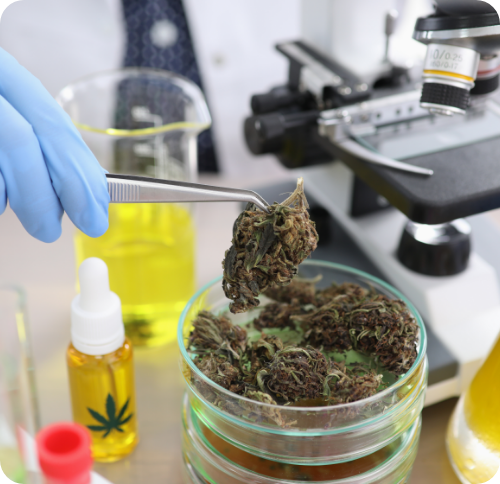
Cannabis concentrates are made by separating and concentrating compounds found in the cannabis plant. They come in different forms, textures, and flavor profiles, depending on the starting material and the process used to create them. Some are soft and creamy, while others have a sticky, oily, or brittle consistency. Understanding cannabis concentrates explained in simple terms can help readers learn what distinguishes products such as live resin, badder, and rosin. It is also useful to understand how manufacturing methods, product testing, and careful handling contribute to quality and safety.
Cannabis concentrates are products made by collecting resin from cannabis plant material and processing it into a more concentrated form. This resin contains cannabinoids, including THC and CBD, as well as terpenes, which contribute to the plant’s aroma and flavor.
Unlike dried cannabis flower, concentrates contain extracted plant compounds in a smaller amount of material. Their composition and strength vary according to the starting material and the manufacturing method.
When people search for cannabis concentrates explained, they are often trying to understand why these products look different from one another. The answer depends on factors such as extraction techniques, refinement, temperature control, and the compounds preserved during processing.
Different concentrates have distinct textures and production methods. Greenmount LLC highlights live resin, badder, and rosin as key products, each with its own characteristics.
These differences are not only about appearance. The starting material and processing method can affect the final concentrate’s aroma, texture, and chemical profile.
A simple comparison can make the differences between concentrate types easier to understand. The following table summarizes their main characteristics based on the information provided by Greenmount LLC.
| Concentrate type | Production method | Common characteristics |
| Live resin | Extraction from fresh-frozen cannabis | Terpene-rich aroma and flavor |
| Badder | Extraction followed by controlled processing and whipping | Soft, creamy texture |
| Rosin | Heat and pressure without chemical solvents | Solventless production and plant-derived flavor |
No single type is automatically the best choice for everyone. Each has different characteristics, and product composition can vary. Understanding how a concentrate is produced provides helpful context when comparing products.
Extraction is the process used to separate desired compounds from cannabis plant material. Different methods can produce different concentrates, and the choice of method influences how the material is processed.
Greenmount LLC describes both solvent-based extraction and solventless pressing in its manufacturing information.
These methods require appropriate equipment and controlled conditions. Solvent-based extraction, in particular, involves materials that can create serious hazards when handled incorrectly, so it should be performed only in properly equipped, regulated facilities by trained personnel.
Small-batch manufacturing involves producing concentrates in smaller quantities, allowing closer attention to individual production runs. Greenmount LLC describes this approach as a way to support careful oversight, flavor control, and consistency.
Several aspects of small-batch production can be important:
Small-batch production does not mean every batch will be identical. Starting material can vary, so careful monitoring and testing remain important for maintaining consistent product quality.
Safety is an essential part of concentrate manufacturing because some extraction methods involve volatile solvents. These materials require specialized equipment, suitable ventilation, and strict operating procedures to reduce risks.
Greenmount LLC describes several measures used in its regulated manufacturing environment, including engineered closed-loop extraction systems, hazardous exhaust and ventilation systems, and explosion-resistant electrical installations where required.
Before products are distributed, laboratory testing helps assess their composition and safety. Important testing areas include:
These checks help manufacturers evaluate whether products meet applicable requirements. Consumers should not assume that appearance, smell, or texture alone can confirm a concentrate’s purity or safety.
Packaging is another important part of concentrate production because it protects the product and communicates essential information. Greenmount LLC states that its packaging follows applicable California compliance requirements, including child-resistant packaging, proper labeling, and batch traceability.
When reviewing a packaged product, consider the following details:
Packaging and labeling requirements vary by jurisdiction, so products should be handled and stored according to their instructions and applicable local rules.
Understanding cannabis concentrates explained means looking beyond a product’s name or texture. The production method, starting material, terpene profile, and available testing information all provide useful context when comparing different concentrates.
Before evaluating a product, consider these questions:
These questions help readers assess product information more carefully without assuming that one concentrate type is always superior to another. Product composition and effects can differ, and concentrated cannabis products may contain high levels of THC. Understanding the stated potency and following applicable laws are important considerations.
Cannabis concentrates differ in their ingredients, extraction methods, textures, and flavor profiles. Live resin is associated with fresh-frozen starting material, badder has a creamy consistency, and rosin is produced through heat and pressure without chemical solvents. Manufacturing controls, laboratory testing, and compliant packaging also play important roles in product quality and safety. By learning how these products are made and what their labels communicate, readers can better understand their differences. Greenmount LLC emphasizes small-batch production, careful processing, and regulatory compliance throughout its manufacturing approach.