What Is Cannabis Concentrate and How Is It Made Safely Today
September 8, 2026
In the regulated cannabis sector, extraction safety is not only a technical matter. It is part of everyday work inside a licensed production space. A modern cannabis manufacturer must manage raw plant material, extraction equipment, solvents, and strict state rules at the same time. When these parts work together with care, the result is stable and safe products for consumers.
Greenmount LLC works inside this regulated system in California. The company operates with a Type 7 manufacturing license, which allows volatile solvent extraction. This process requires engineering controls, trained staff, and clear procedures. Many vape manufacturers in the USA operate under similar conditions, but each facility must manage safety in its own way.

Type 7 manufacturing is one of the most controlled license types in the cannabis industry. The reason is simple. Volatile solvents such as butane, propane, or ethanol can create fire risks if handled without proper systems.
A cannabis manufacturer working under this license must operate inside a carefully designed facility. Every room, pipe, and exhaust vent is reviewed before production begins.
Key points of Type 7 manufacturing include:
Because of these requirements, extraction labs look closer to small chemical plants than simple production kitchens. Many vape manufacturers in the USA follow similar engineering standards when working with solvent extraction.
Extraction safety begins long before the first batch of cannabis is processed. The physical structure of the facility matters. Walls, air systems, and electrical equipment must all meet fire code requirements.
Inside a Type 7 facility such as the one operated by Greenmount LLC, several elements are common:
These systems help reduce the chance of accidents during volatile extraction. They also support safe working conditions for technicians inside the laboratory.
Many vape manufacturers in the USA place a strong focus on facility design because even small layout errors can affect safety. Extraction equipment needs space, airflow, and proper isolation from other operations.
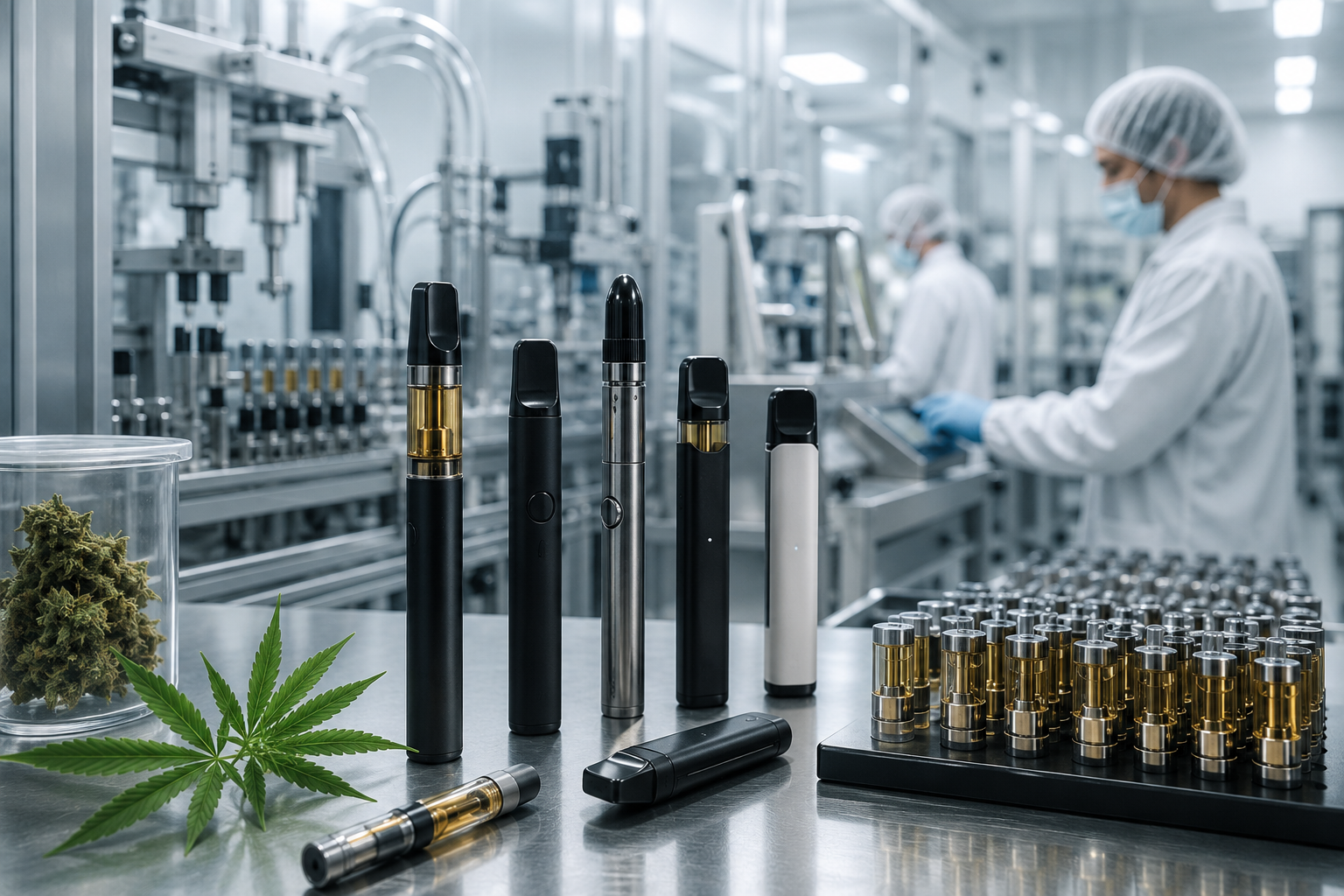
Extraction machines are the center of the manufacturing process. A modern cannabis manufacturer uses closed-loop systems to control solvents during extraction.
Closed-loop equipment works in a sealed environment. Solvents move through stainless steel vessels and return to storage without escaping into the air. This design lowers fire risk and improves solvent recovery.
Typical extraction equipment includes:
Before these systems are approved for use, a licensed engineer checks the design. Equipment certification confirms that pressure limits, valves, and seals operate safely.
Greenmount LLC follows this engineering process inside its manufacturing facility. For a cannabis manufacturer, equipment safety is the foundation of daily operations.
Extraction itself follows a clear sequence. Each step must follow written procedures. Staff members receive training before working with solvents or pressurized systems.
Below is a simple overview of the typical production flow used by a cannabis manufacturer.
| Production Stage | Description |
| Input Material Preparation | Fresh frozen flower or premium plant material is prepared for extraction. |
| Solvent Extraction | Hydrocarbon solvents separate cannabinoids and terpenes from plant material. |
| Post-Processing | Winterization, filtration, or distillation improves purity and stability. |
| Concentrate Development | Extracts may become badder, distillate, or live resin depending on processing. |
| Cartridge Filling | Oil is filled into vape cartridges using precision equipment. |
| Packaging | Products are labeled and packed according to state regulations. |
This process may look simple on paper, yet every stage includes safety checks and documentation. That is standard practice among many vape manufacturers in the USA.
Greenmount LLC follows a small-batch production model. This approach allows technicians to observe each stage of extraction more closely.
Smaller batches provide several practical advantages:
This method also helps maintain strain-specific characteristics in live resin and rosin products. For a cannabis manufacturer, preserving flavor and cannabinoid balance often depends on careful batch management.
Some vape manufacturers in the USA adopt similar small-run production styles when focusing on craft concentrates rather than high-volume output.
Extraction labs working with volatile solvents can create several forms of cannabis concentrates. These products differ in texture, potency, and terpene content.
Common product categories include:
Greenmount LLC produces these formats through its manufacturing operations. Many vape manufacturers in the USA work with similar concentrate categories.
A regulated cannabis product must pass several tests before reaching the retail market. State laboratories review each batch for safety and composition.
Testing typically examines:
Only batches that pass these checks move forward for distribution. The results are recorded in the state seed-to-sale tracking system.
For a cannabis manufacturer, this tracking process documents every step from raw plant material to finished product. It also confirms that vape products entering the market meet legal standards.
Because of these rules, vape manufacturers in the USA often invest heavily in laboratory partnerships and internal quality control systems.
Extraction safety also depends on trained technicians. Equipment alone cannot prevent mistakes. Staff must understand how solvents behave and how extraction systems respond to pressure changes.
Training programs normally include:
Greenmount LLC maintains written Standard Operating Procedures for each stage of manufacturing. This documentation helps maintain consistency between shifts and production runs.
In a professional cannabis manufacturer environment, staff training remains an ongoing process rather than a single orientation session.
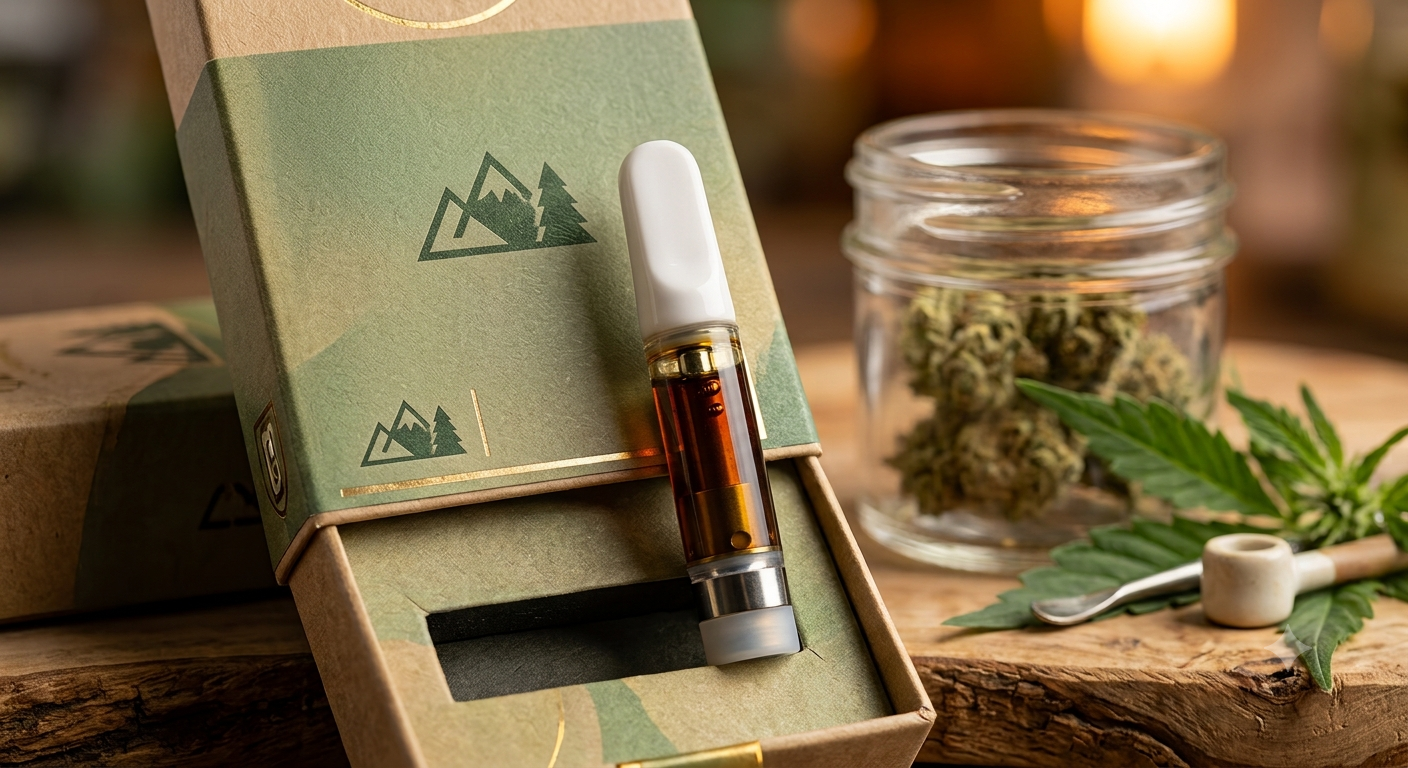
Vape cartridges require precise formulation. The viscosity of the oil, the terpene balance, and the cartridge hardware must work together. If the oil is too thick, it may not vaporize well. If it is too thin, leaks may occur. Extraction technicians adjust blends during post-processing to maintain stability.
This attention to detail explains why many vape manufacturers in the USA focus on controlled filling systems and cartridge testing before products reach dispensaries. Greenmount LLC distributes products through hundreds of retail locations across California, so consistency across batches remains a key focus.
Extraction inside the cannabis industry involves much more than producing concentrates. A modern cannabis manufacturer must operate within strict safety rules, engineering standards, and regulatory oversight. Equipment design, staff training, facility layout, and testing all connect to the same goal. Safe and reliable cannabis products.
Greenmount LLC follows this structured approach through its Type 7 manufacturing operations. The company combines solvent extraction, small-batch production, and careful compliance work. Across the wider market, many vape manufacturers in the USA adopt similar practices as regulations evolve. Safe extraction is not a single step. It is a daily discipline inside the manufacturing lab.