What Are Cannabis Concentrates and How Are They Made?
November 12, 2026
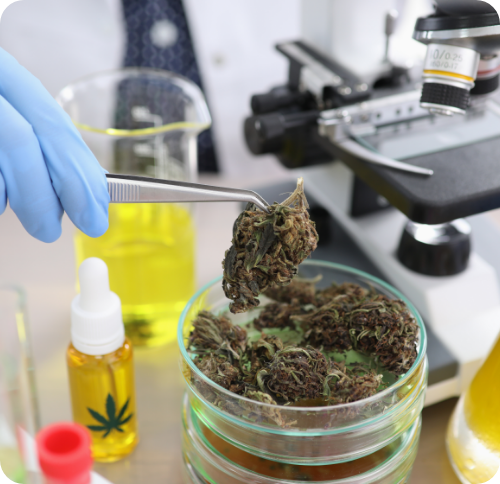
Cannabis vape cartridges can differ in their starting material, extraction methods, aroma, and flavor. Understanding these differences helps readers make sense of product descriptions and the processes used to create each type. One term that can cause confusion is cured live resin cart, because cured resin and live resin generally refer to different starting materials. Greenmount LLC describes cured resin as being made from dried and cured cannabis flower, while live resin uses fresh-frozen material. Knowing this distinction makes it easier to understand how curing, extraction, testing, and manufacturing affect the final product.
A cured resin cartridge contains cannabis extract produced from flower that has been harvested, dried, and cured before extraction. Drying removes moisture, while curing involves storing the dried material under controlled conditions to help develop its aroma and overall character.
This process differs from live resin production, which begins with fresh-frozen cannabis material. Because the starting materials are handled differently, the resulting extracts can have different terpene profiles, aromas, and flavors.
When the phrase cured live resin cart appears in a product search, it is useful to check the actual product description. Cured resin and live resin are distinct categories, so the wording alone does not confirm which material or production method was used.
Curing is an important stage in preparing cannabis flower for certain extraction processes. The way the material is dried, stored, and handled can influence the characteristics of the extract produced later.
Greenmount LLC describes cured resin as having a deeper, bolder flavor profile associated with carefully cured flower. The process can help develop a more mature aroma, although the final result also depends on the starting material and extraction conditions.
Several factors matter during this stage:
Curing does not make every batch identical. Natural differences in cannabis varieties and growing conditions can affect the final extract, making quality control important throughout production.
The main difference between cured resin and live resin is the condition of the cannabis material before extraction. Both contain compounds derived from the plant, but their starting materials and handling methods differ.
| Feature | Cured resin | Live resin |
| Starting material | Dried and cured flower | Fresh-frozen flower |
| Main distinction | Developed from cured plant material | Made from material frozen soon after harvest |
| Flavor profile | Often described as deeper and more mature | Often valued for its fresh, terpene-rich profile |
| Production approach | Extraction after drying and curing | Extraction using fresh-frozen material |
| Important consideration | Quality of curing and storage | Handling of fresh-frozen material and terpene preservation |
These are general distinctions rather than guarantees about every product. The actual aroma, flavor, and chemical composition depend on the plant material, processing methods, and final testing results.
For anyone researching a cured live resin cart, checking whether the product is made from cured or fresh-frozen flower is more useful than relying on the search phrase alone.
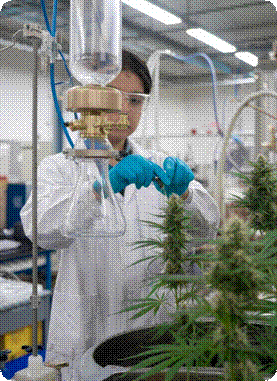
After the cannabis material is prepared, extraction separates desired compounds from the plant. Greenmount LLC describes using volatile hydrocarbon extraction for products such as cured resin, live resin, and other concentrates.
The manufacturing process can include several stages:
Hydrocarbon extraction involves flammable solvents and requires specialized equipment, trained personnel, and properly designed facilities. It should only be performed in an appropriate regulated manufacturing environment, not through improvised home methods.
Post-processing requirements depend on the extract and the intended product. Careful control is important because the goal is to meet product specifications while managing the final composition and quality.
Terpenes are naturally occurring compounds that contribute to the aroma and flavor of cannabis. Their presence and relative amounts can vary by plant variety, starting material, and production process.
Cured resin is often associated with a deeper, more rounded flavor profile, while live resin is commonly described in terms of its fresh, terpene-rich character. However, neither description applies equally to every batch.
When comparing products, consider these points:
Flavor and aroma do not establish potency, purity, or a product’s effects. Those characteristics require appropriate testing and accurate product information.
Testing helps determine whether a cannabis concentrate meets the required standards for potency and potential contaminants. It is an important part of responsible manufacturing because a product’s appearance, texture, and smell cannot confirm its safety.
Greenmount LLC describes its manufacturing operations as following California Type 7 requirements and using controlled extraction equipment and documented production procedures.
Important testing and safety considerations include:
Testing requirements depend on the product and applicable regulations. Businesses should confirm that required testing has been completed before a product enters the permitted distribution system.
Packaging protects the cartridge and communicates important information about its contents. Clear labeling also helps distinguish cured resin from live resin, reducing confusion caused by similar product descriptions.
When reviewing a cartridge, pay attention to the following details:
A phrase such as cured live resin cart should not replace a clear description of the extract. Accurate labeling helps businesses communicate what a product contains without suggesting that two different production methods are interchangeable.
Comparing cartridges involves more than choosing a preferred flavor or appearance. Understanding the starting material, production process, and verified product information provides a clearer basis for evaluating the differences.
Before comparing products, consider these questions:
These questions help readers interpret product descriptions more carefully. They also make it easier to distinguish between differences in manufacturing and claims that are not supported by product information.
Cured resin and live resin differ mainly in the condition of the cannabis material used before extraction. Cured resin starts with dried and cured flower, while live resin uses fresh-frozen material. These methods can influence aroma, flavor, and terpene composition, but the results vary between products. Greenmount LLC emphasizes controlled extraction, small-batch production, and testing within its manufacturing approach. When encountering a cured live resin cart description, readers should verify the actual product type, review its label, and consider available testing information rather than assuming the two terms describe the same extract.