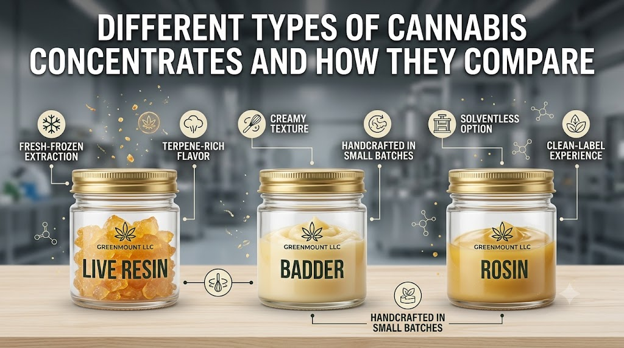
Different Types of Cannabis Concentrates and How They Compare
October 9, 2026
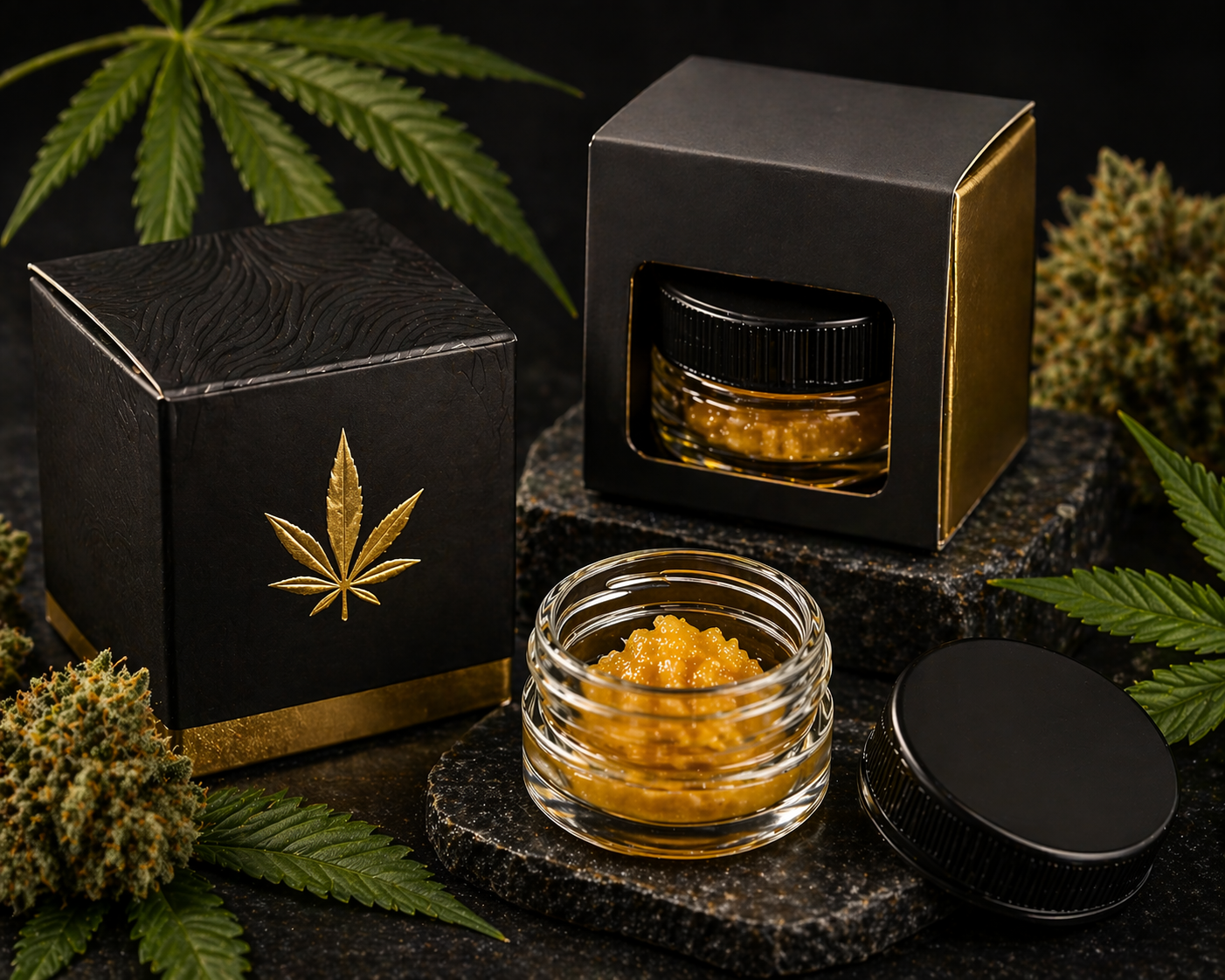
Cannabis concentrate packaging is changing because the market is changing with it. Buyers want products that feel clean, clear, and easy to trust, while manufacturers need packaging that protects quality, meets strict rules, and works well in retail settings.
In 2026, the shift is not only about how a package looks on a shelf. It is also about freshness, safety, product identity, and daily use.
Concentrates are not simple products. They can be sticky, terpene-rich, light-sensitive, heat-sensitive, and harder to handle than standard dried flower. That means the package has a larger job to do. It must hold the product safely, reduce waste, protect aroma, and still leave room for required label details.
This matters even more for small-batch products because buyers often expect a better sensory experience. When a product is made with care, the package has to support that care from filling to final sale.
A good packaging format now needs to do four things well:

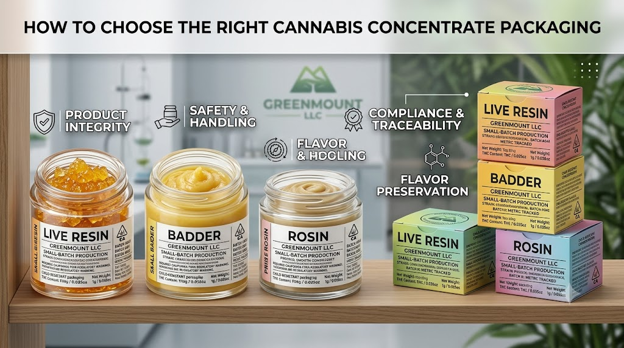
One of the clearest trends in cannabis concentrate packaging is stronger product protection. Concentrates such as badder, live resin, and rosin can lose quality when they face too much air, heat, or light. In 2026, more attention is going toward packaging materials that reduce those risks.
This does not mean every package needs to look complex. In many cases, the better choice is a simple container with stronger sealing performance. Tight closures, cleaner inner surfaces, and more stable materials are becoming more important than flashy design.
Manufacturers are paying close attention to:
For small-batch production, this trend fits well because product quality can vary by strain, texture, and terpene level. Packaging now has to match the product, not force every concentrate into the same format.
Another strong trend is the move toward cleaner label layouts. Packaging in 2026 is carrying more information, but the best designs do not feel crowded. Buyers want to understand what they are holding without reading a wall of text.
Clear packaging communication is becoming part of trust. When the label is easier to read, the product feels more direct and better organized. That is especially true in concentrates, where buyers often compare extraction style, texture, and strain detail before making a choice.
Label design is shifting toward these features:
For Greenmount LLC, this kind of clarity fits a small-batch model because detailed products deserve a clear presentation.
Child-resistant packaging is still a basic need, but in 2026, the conversation is moving past basic compliance. The focus now is on better function. A package should be secure, but it should also be practical for adults to open and close without damaging the product.
This is an important trend because poor function creates frustration. If a concentrate jar is too hard to open, sticky product can end up on the rim, the lid, or the user’s hand. If a cartridge box is too loose, the product may not feel well-protected.
Smarter child-resistant design now aims to balance:
This is not about making packaging softer. It is about making it work better in real life.
Packaging is also becoming a quiet way to show how a product was made. Buyers who choose small-batch concentrates often care about strain character, extraction style, and production approach. That means the package needs to support identity without turning into noise.
In 2026, buyers are responding well to packaging that feels honest. That usually means fewer distractions, better product naming, and more direct visual cues around quality. Packaging does not need to shout to stand out.
This shift often includes:
For a manufacturer focused on live resin carts, distillate carts, rosin carts, and badder, this trend makes sense because each product has its own place in the market.
Sustainability remains part of the conversation, but in 2026, the market is looking at it in a more practical way. Buyers and manufacturers both understand that concentrate packaging still has to meet safety and compliance needs first. So the question is no longer whether a package looks eco-friendly. The better question is whether it reduces waste without hurting product protection.
That has led to more interest in:
This area is still developing, but the direction is clear. The market is moving toward packaging choices that make sense in operation, not just in appearance.
The biggest packaging trend in 2026 is simple: concentrate products need packaging that does more with less confusion. Protection, clarity, compliance, and ease of use are all becoming part of the same standard.
For Greenmount LLC, that matters because small-batch concentrates depend on careful handling from start to finish. As the market grows, the best packaging will not be the loudest or the most complex. It will be the packaging that keeps the product true to its form, supports trust, and makes every step easier for the buyer.