Different Types of Cannabis Concentrates and How They Compare
October 9, 2026
Cannabis products have changed a lot during the last decade. Many people who once knew only dried flowers are now hearing about oils, cartridges, and different forms of extracts. One term that often comes up is what is cannabis concentrate. It sounds technical at first, yet the idea is quite simple. A concentrate is a product where the active compounds from the cannabis plant are collected into a stronger and purer form.
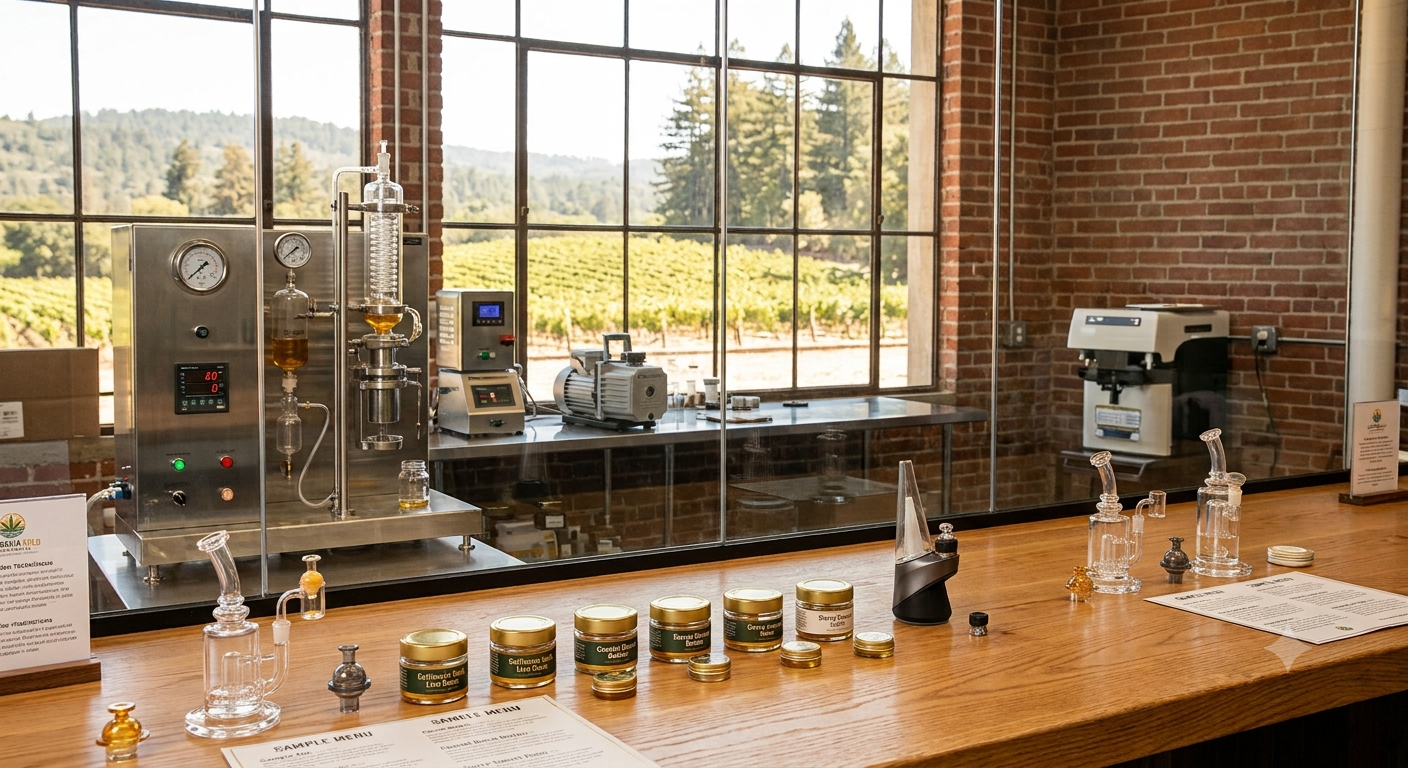
Companies such as Greenmount LLC, founded in 2017 work in this area with a careful approach. Their work takes place in a regulated manufacturing environment where safety rules are strict. To understand the product and its safety today, it helps to begin with the basics.
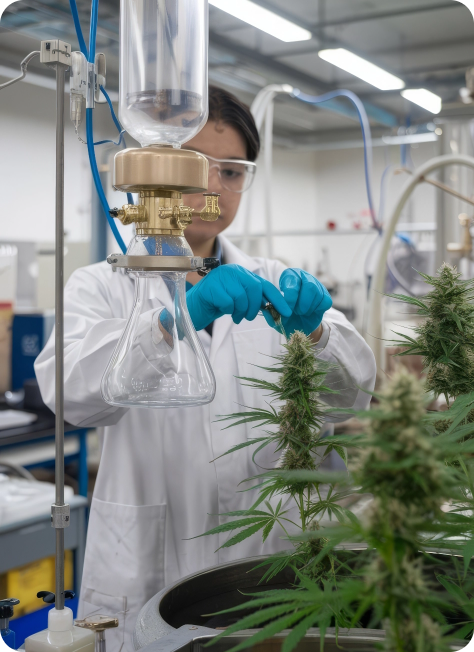
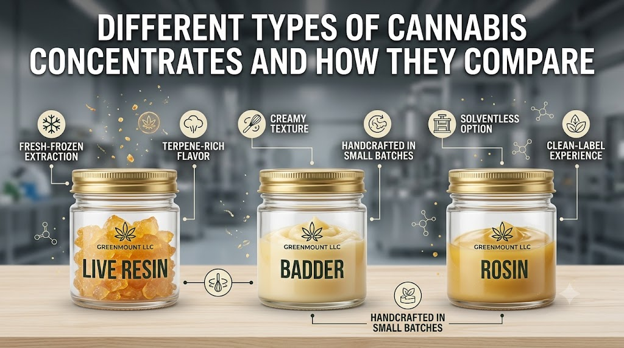
The world of concentrates includes several textures and styles. Each type comes from a slightly different process, though the goal remains similar, which is collecting the plant’s key compounds.
Some of the most well-known types include:
At Greenmount LLC, small batch manufacturing allows these products to be handled with more attention during each step. The result is consistency and better flavor retention from the original plant material.
The production process may sound complex, but the stages follow a clear order. Every batch moves through preparation, extraction, and finishing steps.
A typical concentrate production flow includes:
This method allows manufacturers to produce different forms such as vape cartridges, badder, or resin.
Extraction once had a rough reputation in early underground markets. Today, the environment is very different. Legal cannabis manufacturing follows strong safety codes and technical standards.
A licensed manufacturing facility follows rules such as:
These safety measures protect both workers and the surrounding environment. In California, the regulations are strict because volatile solvents can create a risk if they are not handled properly.
Understanding what is cannabis concentrate also requires understanding the license that allows certain extraction processes. In California, a Type 7 manufacturing license is used for volatile solvent extraction.
This license allows companies to perform operations such as:
Because these solvents evaporate easily, the state requires special engineering controls. Facilities must meet fire codes, hazardous material regulations, and workplace safety rules.
Some manufacturers choose a large-scale industrial approach, but others prefer a smaller craft-style model. Greenmount LLC works with small batch production, which allows closer attention to each stage of the process.
Typical small batch operations include:
This method can also allow seasonal releases when new harvests arrive from growers.
Cannabis concentrates are not always sold on their own. Many products available in dispensaries begin with a concentrate base.
Examples include:
Each product goes through testing before sale. State rules require laboratory checks for potency, solvents, heavy metals, and microbial safety.
The following table gives a basic view of common concentrate styles and how they are made.
| Concentrate Type | Basic Method | Texture | Common Use |
| Live Resin | Hydrocarbon extraction from fresh frozen plants | Sticky or saucy | Vape carts or dabbing |
| Distillate | Refined oil through distillation | Clear thick oil | Vape cartridges |
| Badder | Extract whipped during processing | Creamy and soft | Dab concentrates |
| Rosin | Heat and pressure pressing | Thick sap like | Premium cartridges |
This small comparison helps new readers understand how different textures come from different production methods.
Modern cannabis manufacturing is closely monitored. Each batch must pass testing before it reaches the dispensary shelves. Companies track production through digital systems that record every stage.
Quality control includes:
Facilities also maintain training programs so employees understand safety protocols during extraction and handling.
Learning what is cannabis concentrate is easier once the process is broken down into simple parts. It begins with the cannabis plant, moves through extraction and refinement, and ends with products such as oils, badder, or rosin. Today, the process is very different from the past. Legal manufacturing follows strict safety rules, engineering controls, and testing requirements.
Companies such as Greenmount LLC operate in this structured environment while producing small batch concentrates and vape products. The work involves technical equipment, careful preparation, and patient handling of the plant. When done with discipline and respect for safety, cannabis concentrates can reflect the natural character of the plant in a more refined form.