How a California Cannabis Company Navigates Type 7 Rules
March 16, 2026
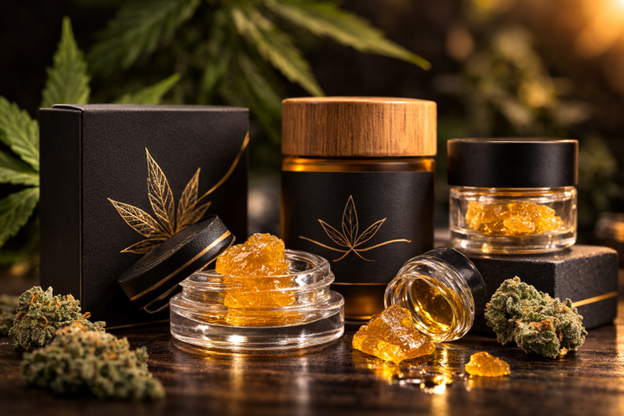
The cannabis market in California keeps changing, sometimes fast, sometimes in quiet ways that only careful observers notice. As products become more refined, the way they are presented also shifts. In 2026, cannabis concentrate packaging is no longer just about holding oil or badder safely.
It speaks about safety, clarity, and respect for the plant. For a licensed Type 7 manufacturer like Greenmount LLC, packaging connects compliance, craft, and consumer trust in one simple but serious step.
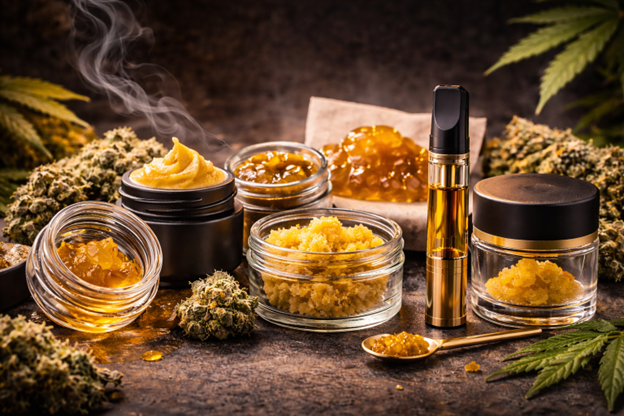
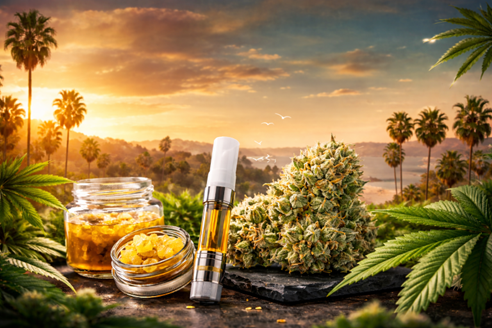
Over the past few years, concentrates have moved from niche shelves to center displays in dispensaries. Vape cartridges, rosin carts, live resin carts, and badder are now common choices for many adult consumers. With this growth, cannabis concentrate packaging must answer new demands.
In 2026, several shifts are visible:
Many buyers now pause to read the label before they purchase. They want to know the extraction method, whether it is solventless rosin or hydrocarbon live resin, and how the batch was tested. Packaging has become a silent educator.

Greenmount LLC operates under a California Type 7 manufacturing license. This license allows volatile solvent extraction using butane, propane, or ethanol. Because these solvents can pose fire risks, the rules around production are strict. The same strict attitude carries into packaging.
For 2026, compliance is not a trend. It is a standard expectation.
Important elements include:
A Type 7 facility must follow fire code, OSHA standards, and local approvals. When a vape cart or a jar of badder leaves the building, it carries more than branding. It carries documented safety steps and careful record keeping.
In many ways, the outer box reflects the discipline inside the lab.
Not all concentrates are the same. Consumers understand this more now. Packaging in 2026 shows clearer differentiation between product types.
Rosin carts are made using heat and pressure, without volatile solvents. The audience for rosin usually values minimal processing and plant purity. Packaging for rosin carts often features:
Because rosin appeals to a premium market, the packaging feels thoughtful but not flashy. It does not shout. It explains.
Live resin carts are extracted from fresh-frozen flowers through hydrocarbon methods. The goal is to preserve high terpene content and the aroma of the original plant.
In 2026, packaging for live resin carts tends to:
Consumers who choose live resin often look for a strong aroma and authentic flavor. The box and cartridge tube must protect that oil from light and heat as much as possible.
Badder has a whipped, creamy texture that feels different from shatter or distillate. It is usually sold in glass jars with tight lids.
Packaging trends for badder include:
The texture itself influences the packaging choice. It cannot be too thin, or it will leak. It cannot be too large, or it feels wasteful.
In 2026, sustainability is no longer an afterthought. Many consumers question how much plastic a single gram of concentrate requires. They notice extra layers.
Greenmount LLC, like many small-batch manufacturers, must balance compliance with environmental awareness. Child-resistant packaging often means thicker plastic, but material science has improved.
Trends include:
There is also a move toward minimal design. Less coating. Fewer glossy finishes. More matte textures that feel natural in the hand.
It is not perfect yet. Regulations still require certain barriers and seals. Still, the direction is clear. Less waste. More thought.
Technology is becoming part of cannabis concentrate packaging, though in a quiet way.
QR codes are now common on boxes and labels. When scanned, they can show:
For a company operating in over 400 retail dispensaries across California, this transparency builds trust. A customer holding a live resin cart can see exactly when it was extracted and tested.
This digital layer does not replace printed compliance text. It adds depth. It answers questions without crowding the label with tiny words.
Packaging does not begin at the final step. It connects to the full production flow.
At Greenmount LLC, the process often follows this path:
Each stage influences packaging needs. For example, terpene-rich oil may require tighter seals. Rosin with higher viscosity may need a specific cartridge hardware design to avoid clogging.
The packaging team must understand the product, not just the box.
Below is a simple overview of how packaging varies among product types:
| Product Type | Main Material Used | Key Protection Need | Label Focus |
| Rosin Carts | Glass + metal cart | Heat and clog prevention | Solventless, strain source |
| Live Resin Carts | Glass + metal cart | Terpene preservation, light block | Fresh-frozen, terpene percentage |
| Distillate Carts | Glass + metal cart | Consistent viscosity control | Potency and flavor profile |
| Badder | UV glass jar | Air-tight seal, texture stability | Extraction method, batch number |
This table shows that cannabis concentrate packaging is not one-size-fits-all. Each form requires its own material strength, seal quality, and labeling approach.
As 2026 approaches, cannabis concentrate packaging feels more mature and thoughtful than before. It carries legal responsibility, product protection, and simple honesty in one container.
For Greenmount , working under a Type 7 license means that every jar of badder, every rosin cart, and every live resin cart must leave the facility with care. Packaging is not decoration. It is a final checkpoint before the product reaches the shelf, and then the hands of someone who expects safety and clarity.