Different Types of Cannabis Concentrates and How They Compare
October 9, 2026
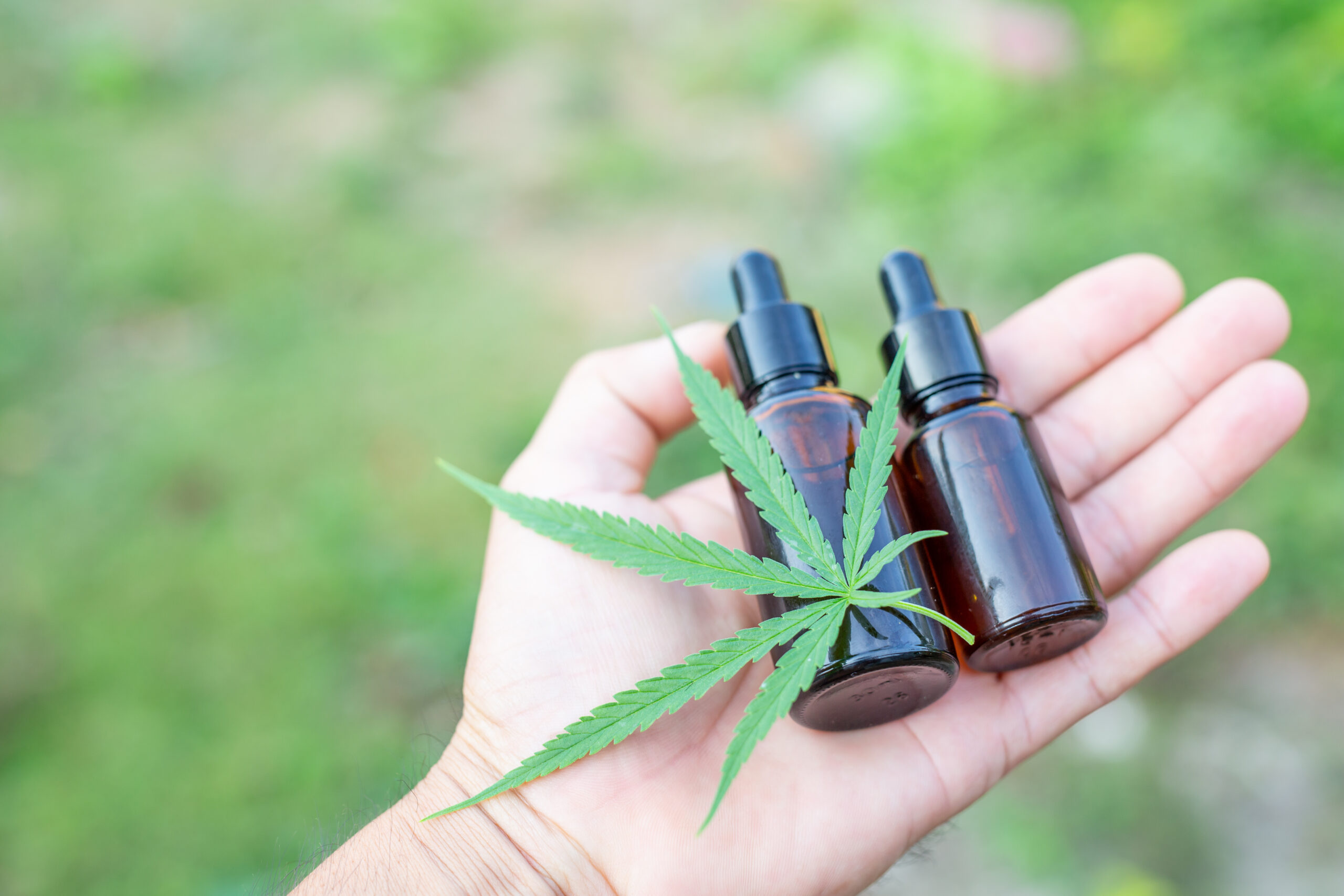
Cannabis concentrates have changed how many people enjoy the plant. They offer strong flavor, rich aroma, and a clean experience when made the right way. Still, learning how to make cannabis concentrateis not simple, and it should never be taken lightly. In licensed markets like California, strict rules guide every step of the process.
These rules protect workers, consumers, and the quality of the final product. This blog explains licensed concentrate production in clear terms, with a focus on safe methods, careful handling, and respect for the plant. The goal is education, not promotion, and clarity over complexity.
Cannabis concentrate is a product made by pulling oils, cannabinoids, and terpenes from the cannabis plant. These elements hold most of the flavor and effects people look for. Concentrates come in many forms, each with a different look, texture, and use.
Some common concentrate types include:
All of these products require care during production. In licensed facilities, the process follows state law and safety codes. This is important because the methods used can be dangerous if done outside a controlled space.
Licensed cannabis manufacturing exists for a reason. Volatile solvents, high pressure, and heat can cause serious harm if handled without training. A licensed facility reduces these risks through planning and structure.
Key reasons licensed methods are required include:
Learning how to make cannabis concentrate in a legal setting means following these safeguards at every stage. This approach keeps the product consistent and helps build trust with consumers.
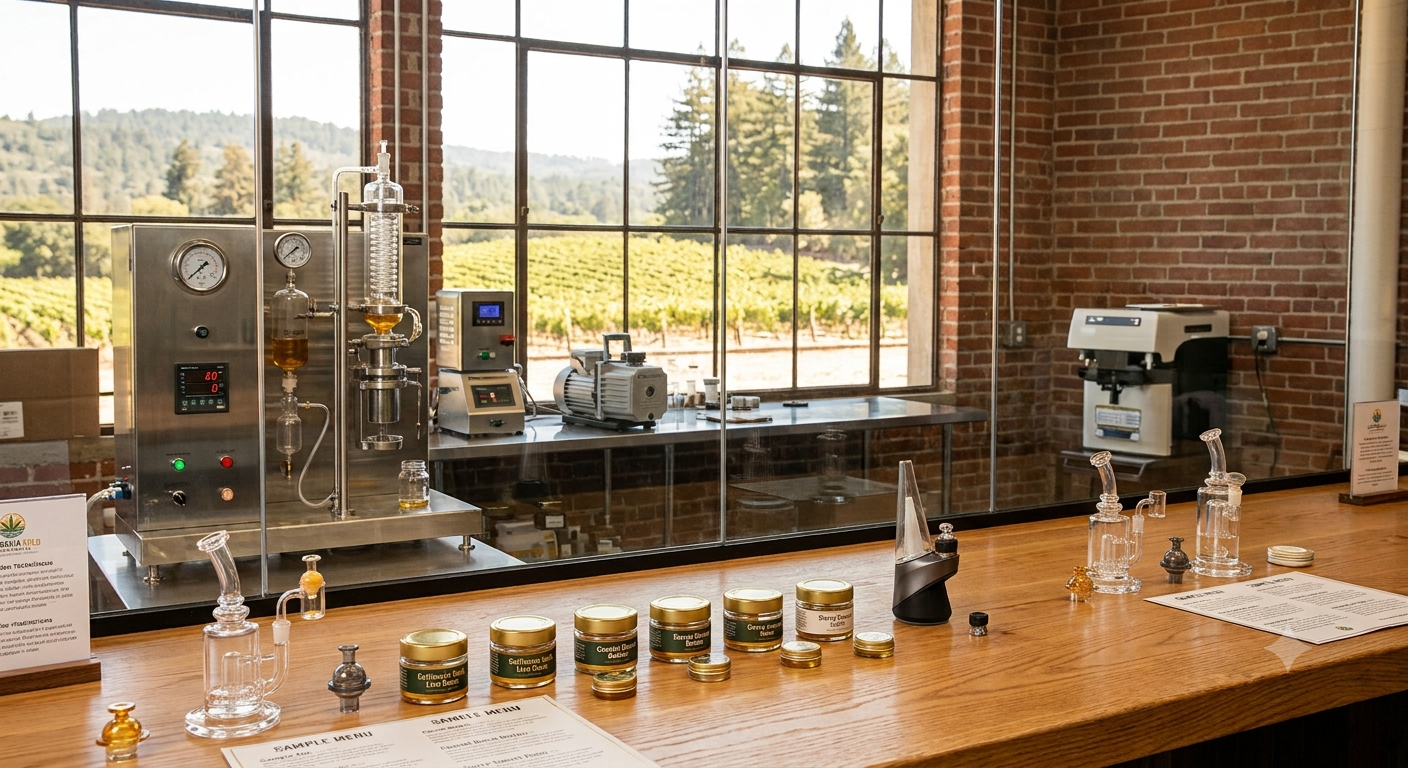
In California, a Type 7 license is the most advanced manufacturing license. It allows the use of volatile solvents like butane and propane. These solvents evaporate fast and can be risky without the right setup.
A Type 7 license allows a manufacturer to:
Because of the risks involved, these facilities must meet fire code, building rules, and worker safety laws. Every step is written into standard operating procedures that staff must follow.
Licensed concentrate production follows a clear flow. Each step builds on the last, and no part is rushed.
1. Input material preparation
2. Extraction
3. Post-processing
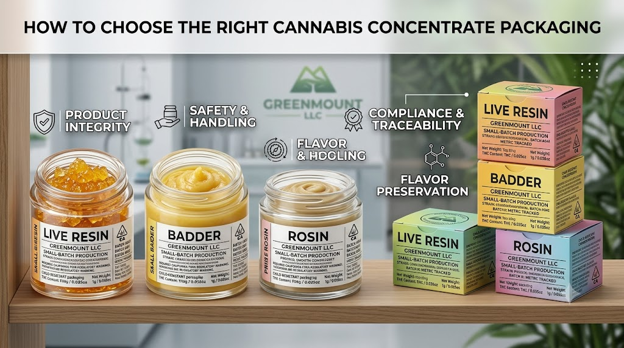
4. Testing and packaging
This structure ensures consistency and safety, which is the core of licensed work.
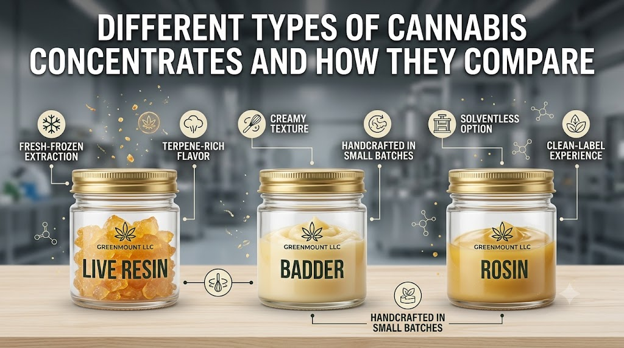
The table below shows simple differences between popular concentrate forms made in licensed facilities.
| Concentrate Type | Main Method Used | Texture or Form | Key Feature |
| Live Resin | Hydrocarbon extraction | Sauce or sugar | Strong terpene profile |
| Badder | Hydrocarbon extraction | Soft and whipped | Smooth and easy to handle |
| Rosin | Heat and pressure | Sticky or firm | Solventless process |
| Distillate | Refinement and distillation | Thick oil | High potency and consistency |
Each type serves a different purpose and consumer preference. Licensed producers may focus on small batches to keep quality high.
Rosin stands apart because it does not rely on chemical solvents. Instead, heat and pressure press oil from the flower or hash. This method appeals to people who prefer minimal processing.
Rosin cartridges require extra care:
While rosin avoids volatile solvents, it still falls under manufacturing rules. Equipment, staff, and records must meet state standards. This shows that even solventless paths on how to make cannabis concentrate need structure and discipline.
Live resin carts begin with fresh-frozen plants. Freezing locks in the plant’s natural aroma and taste. During extraction, careful control keeps these qualities intact.
Important points in live resin cart production include:
Licensed facilities often produce live resin in small batches. This allows close attention to each run and helps avoid loss of flavor. The result is a cartridge that reflects the original plant more closely.
Badder is known for its soft and whipped texture. Achieving this texture is part science and part skill. After extraction, the oil is agitated under controlled conditions.
Key steps in badder creation include:
Small-batch production helps maintain control. Each batch can be adjusted based on how the oil behaves. This hands-on work fits well within licensed operations that value precision.
Every licensed concentrate must pass testing before it reaches shelves. These tests protect consumers and support product trust.
Testing covers:
In California, all products are tracked in a seed-to-sale system. This means every gram is logged from raw material to final sale. Learning how to make cannabis concentrate in this environment means understanding paperwork as well as processing.
Understanding how to make cannabis concentrate through licensed methods helps explain why safety, planning, and patience matter so much in this industry. From facility design to final testing, each step protects both people and the product. Concentrates like live resin carts, rosin carts, and badder show how different methods can shape texture and flavor when done with care.
Licensed manufacturing does not rush the process. It respects the plant, the workers, and the consumer, which is why it remains the standard in regulated cannabis markets.