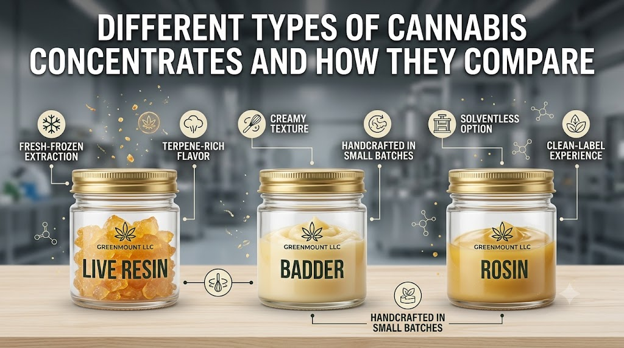
Different Types of Cannabis Concentrates and How They Compare
October 9, 2026
Rosin vape cartridges have become a strong part of the premium concentrate market because many consumers want a cleaner product with less processing. That interest has also created more questions about production, consistency, and cartridge performance. This guide explains the basic process in a simple way, from selecting the starting material to filling the final cart.
For companies focused on small-batch quality, this process takes patience, clean handling, and careful control at every step. At Greenmount LLC, that mindset fits the way rosin products are approached from start to finish.
Rosin vape cartridges are filled with solventless cannabis oil made through heat and pressure rather than volatile extraction. That is a major reason they attract consumers who care about clean-label products and strong strain character. The oil is usually made from high-quality flower or hash, then refined enough to work inside a cartridge without losing too much of its natural profile.
This category matters because it sits at the meeting point of craftsmanship and convenience. Consumers want a cartridge that is easy to use, but they also want flavor, purity, and a true-to-plant feel. That is where rosin stands apart.
A quality rosin cart usually aims for:
When people search for the best live rosin carts, they are often looking for those exact signs of quality, not just a strong number on a label.
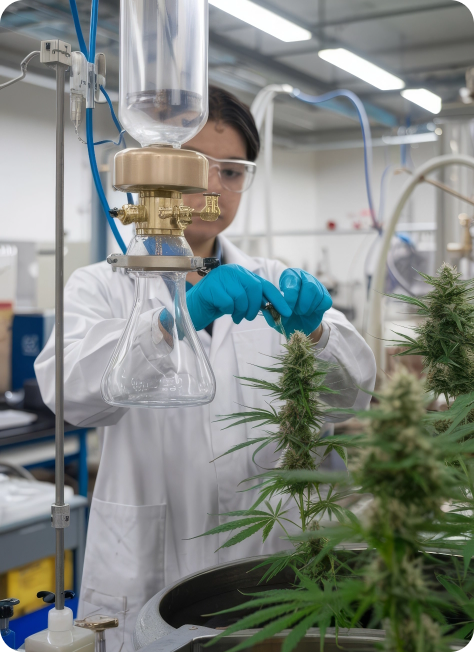
The first step in learning how to make rosin carts is understanding that the final result begins with the raw material. Poor input rarely becomes a strong finished product. Clean, well-handled cannabis material is the base of everything that follows.
For rosin cartridge production, manufacturers usually begin with premium flower or high-grade hash. Hash is often preferred because it can produce a cleaner and more refined rosin with less plant material. The source material should be fresh, properly stored, and selected for terpene retention as well as oil yield.
Here are the main things that matter at this stage:
Greenmount LLC works in a small-batch manufacturing model, which makes this stage even more important. Smaller runs allow more attention to strain behavior, texture, and oil quality before the process moves forward.
Once the input material is ready, the next step is pressing it into rosin. This is done with controlled heat and pressure. The purpose is to separate the resinous oil from the plant or hash material without using solvents.
The pressing step sounds simple, but it needs balance. Too much heat can damage flavor and reduce terpene quality. Too much pressure can push unwanted material into the oil. Too little of either can lead to weak yield and unstable results. The goal is to collect rosin that looks clean, smells rich, and stays usable for the next stage.
The basic pressing flow usually looks like this:
This part of how to make rosin carts is where product quality can either stay intact or drop fast. A careful pressing keeps more of the plant’s natural expression in the oil.
| Production Stage | Main Purpose | What to Watch Closely |
| Input Material Prep | Select clean, premium source material | Freshness, resin quality, storage |
| Pressing | Extract solventless rosin with heat and pressure | Temperature, pressure, cleanliness |
| Post-Processing | Make rosin suitable for cartridge use | Viscosity, stability, terpene retention |
| Cartridge Filling | Fill the hardware with accurate oil volume | Clean tools, heat control, precision |
| Packaging and Compliance | Prepare product for regulated sale | Labeling, batch tracking, and test results |
The filling stage is often where technical discipline becomes visible. Even strong oil can fail in the market if the cart is underfilled, overfilled, or filled at the wrong temperature. Precision matters here.
Manufacturers usually warm the oil just enough to create smooth movement without damaging the profile. The oil is then filled into compatible cartridges using measured equipment. Once filled, the carts are capped and allowed to settle. This resting period helps the oil move properly into the hardware system before the product is used.
A few filling concerns deserve special attention:
For many consumers comparing products, the difference between average carts and best live rosin carts often comes down to this kind of execution. A good formula still needs the right fill process.
A strong rosin cart is not judged by one factor alone. It is a mix of input quality, extraction care, post-processing, hardware choice, and clean filling. When one part is weak, the whole product can feel off.
High-quality rosin cartridges often show these signs:
People searching for how to make rosin carts are usually asking a production question, but they are also asking a quality question. What they really want to know is how a manufacturer gets from raw material to a clean and usable finished product without losing what makes rosin special.
Making a strong rosin vape cartridge is not about one machine or one shortcut. It starts with premium material, moves through careful pressing and post-processing, and depends on clean filling, stable hardware, and strict compliance. Each part affects the next. That is why the process needs patience and control from beginning to end.
Greenmount LLC operates in a space where those details matter, especially in small-batch manufacturing. When the goal is a clean, terpene-rich cartridge, the method behind the product matters just as much as the final oil.