What Is Cannabis Concentrate and How Is It Made Safely Today
September 8, 2026
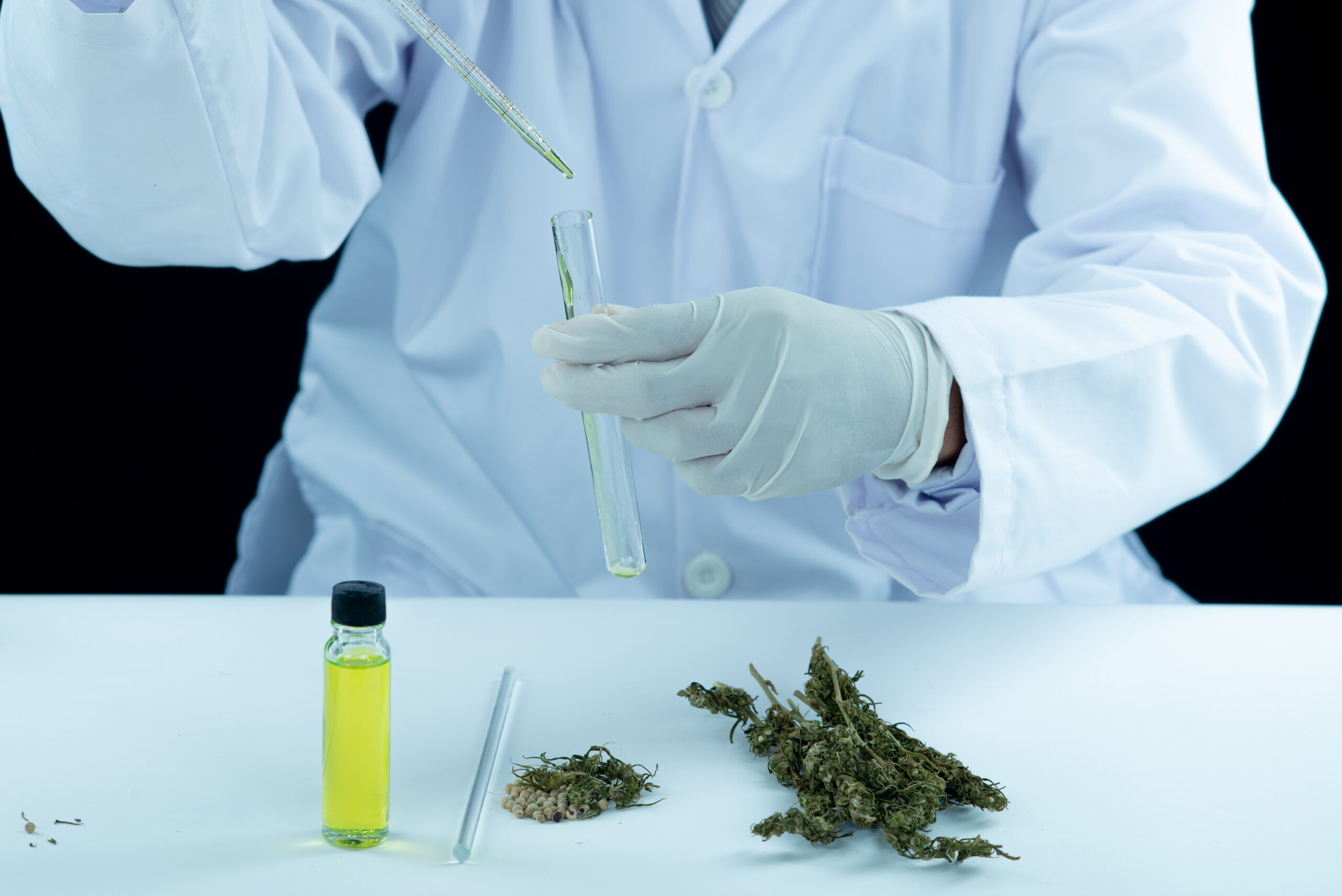
Cannabis concentrates have become common in modern cannabis products. Many people are curious about how the process works and how the plant turns into oils, wax, or resin. When someone asks how to make cannabis concentrate, the answer usually involves extraction methods that separate cannabinoids and aromatic compounds from the raw flower.
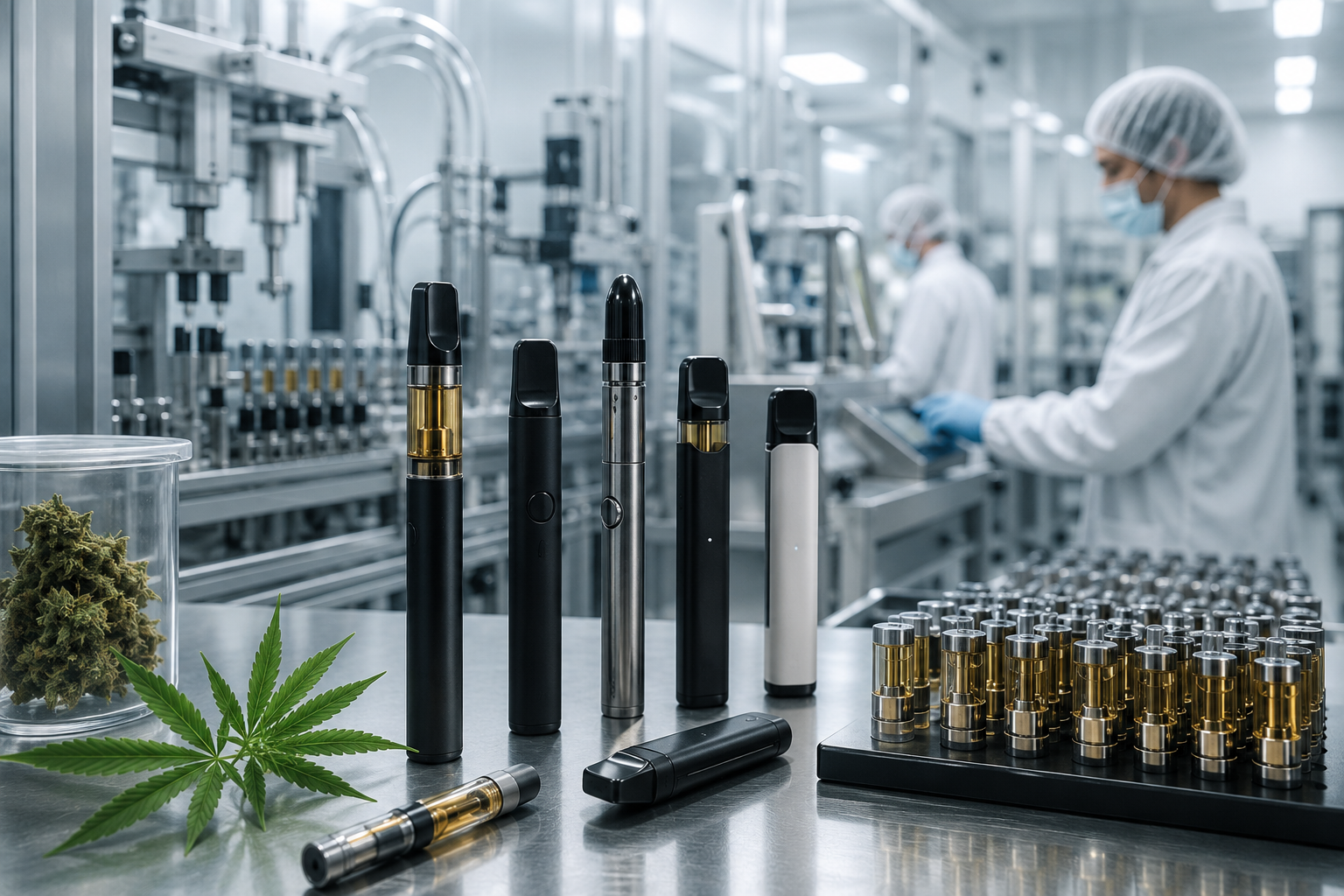
Manufacturers in regulated markets follow strict rules, equipment standards, and safety steps during this process. A company like Greenmount LLC, founded in 2017 works under California’s Type 7 manufacturing framework, where solvent extraction is carefully controlled. Understanding the methods helps people see why concentrates require knowledge, patience, and strict procedures.
A cannabis concentrate is a product where the active parts of the cannabis plant become condensed into a thicker, stronger form. These compounds include cannabinoids such as THC and CBD, along with terpenes that give each strain its smell and taste.
In simple terms, the concentrate holds the plant’s essential oils in a smaller volume. Instead of using dried flowers, the extraction process pulls the resin from the plant material.
Concentrates appear in several forms:
Each form comes from a slightly different technique, but the goal remains the same. The plant’s resin becomes separated and purified.
The steps may vary depending on the technique, yet most concentrate production follows a similar path. When discussing how to make cannabis concentrate, these stages appear again and again.
This sequence keeps the process organized and safe inside licensed facilities.
Different methods create different textures and chemical profiles. The technique used often depends on the desired final product.
Hydrocarbon extraction uses solvents such as butane or propane. These solvents dissolve the resin from the plant material. The mixture then passes through a closed-loop system where the solvent evaporates and is recovered.
This method is known for preserving terpene flavor.
Key points include:
Hydrocarbon extraction is widely used for products like live resin, badder, and shatter.
Ethanol works as another solvent for cannabis extraction. The plant material soaks in ethanol, which pulls cannabinoids and terpenes into the liquid.
After filtration, the ethanol evaporates, leaving a thick extract behind.
This technique is often used for:
The oil can then go through distillation for higher purity.
Rosin extraction does not require chemical solvents. Instead, heat and pressure press the resin from cannabis flower or hash.
This process attracts consumers who prefer minimal processing.
Typical characteristics include:
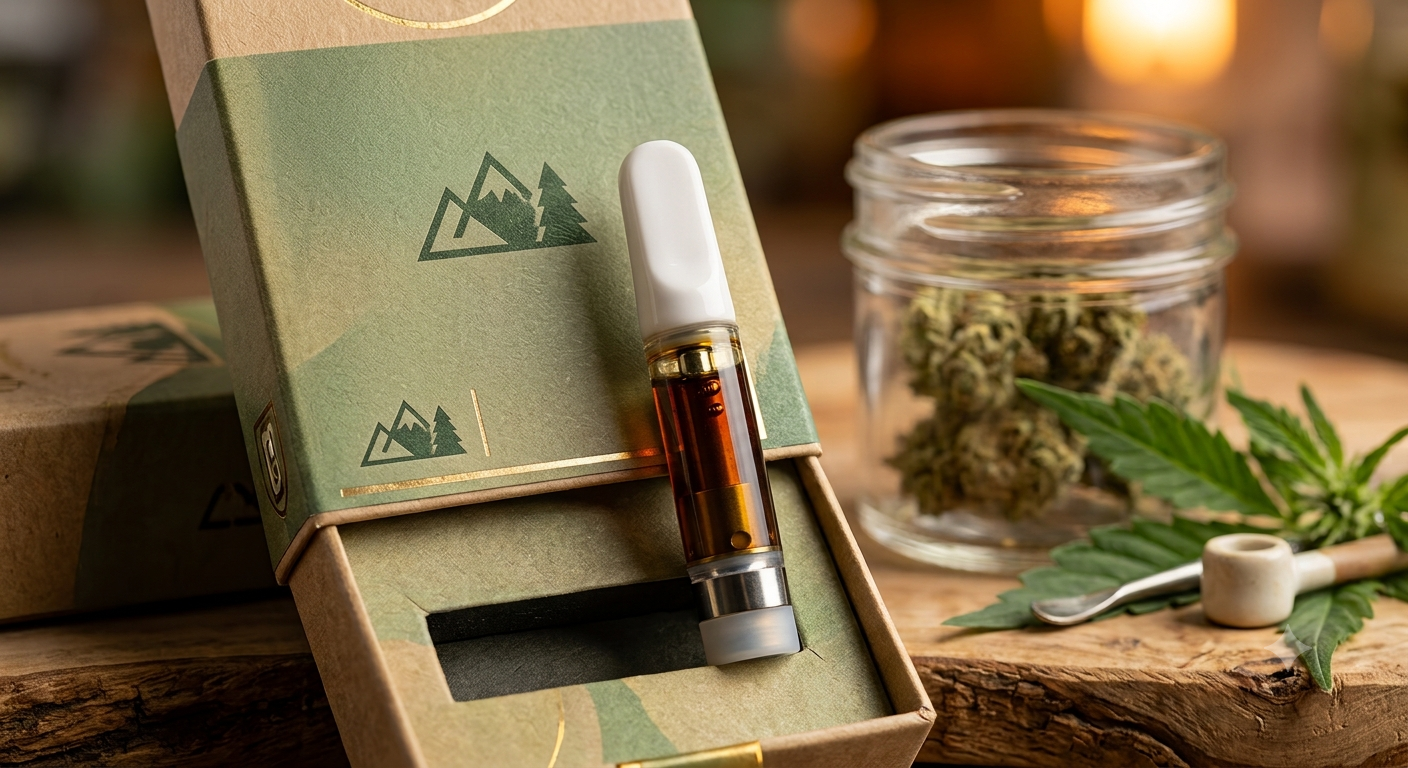
Rosin often appears in cartridges or concentrate jars.
The table below shows common concentrate styles and the methods often used to create them.
| Concentrate Type | Main Method Used | Texture | Typical Use |
| Live Resin | Hydrocarbon extraction | Sticky or saucy | Vape cartridges and dabs |
| Badder | Hydrocarbon extraction with whipping | Creamy and soft | Dab concentrates |
| Distillate | Ethanol extraction and distillation | Clear thick oil | Vape carts or infused products |
| Rosin | Heat and pressure pressing | Sticky resin | Premium cartridges or dabs |
| Shatter | Hydrocarbon extraction with stable cooling | Glass-like sheets | Dab concentrates |
This simple comparison helps explain why different extraction paths create different products.
The conversation about how to make cannabis concentrate cannot ignore safety. Extraction using volatile solvents involves risks if the equipment and training are not correct.
Facilities operating under a Type 7 manufacturing license must follow strict rules.
Important safety elements include:
Local fire departments and building inspectors review these facilities before operations begin. Workers receive training for extraction, cleaning, and emergency response.
Regulation also includes product tracking systems that record every batch from the original plant material to the final packaged product.
Large-scale extraction exists in many industries, but small-batch manufacturing has a different rhythm. Companies like Greenmount LLC often work with smaller runs of cannabis material so that technicians can observe each stage carefully.
Small-batch concentrate production usually includes:
This approach often leads to concentrates that reflect the original plant more clearly. When fresh frozen cannabis becomes processed into live resin or badder, the aroma and flavor remain closer to the living plant.
After extraction, the concentrate still needs refinement. Raw extract may contain solvents, waxes, or plant lipids that require removal.
Several techniques appear during this stage:
Temperature and timing influence the final consistency. For example, whipping the extract during purging can create a creamy badder texture.
These steps show that concentrate production involves more than just extraction.
Every batch of cannabis concentrate must pass laboratory testing before it reaches a dispensary shelf. Testing confirms safety and product quality.
Laboratories examine:
Only after passing these tests can products move into final packaging and distribution channels.
This process protects consumers and maintains legal standards in regulated cannabis markets.
Learning how to make cannabis concentrate reveals that the craft involves careful science and patient work. The cannabis plant contains delicate compounds, and extracting them without damage requires proper equipment and knowledge. From hydrocarbon extraction to solventless rosin pressing, each technique shapes the flavor, texture, and strength of the final product.
Manufacturers such as Greenmount LLC operate within a strict framework where safety, testing, and controlled production guide every step. When people see a jar of badder or a cartridge filled with resin, they often forget the many stages behind it. In reality, concentrate production is quiet, technical work that respects both the plant and the process.