How a California Cannabis Company Navigates Type 7 Rules
March 16, 2026
The cannabis market in the United States has changed a lot in the past few years. What once felt hidden and uncertain now follows strict rules, careful systems, and clear consumer needs. Vape products sit right at the center of this shift. People want clean flavors, steady effects, and products they can trust. Behind this demand stand licensed facilities that work quietly and carefully.
This blog looks at how vape manufacturers in the USA meet cannabis demand through regulated manufacturing, small-batch work, and a focus on products like rosin carts, live resin carts, and badder. The story stays grounded, simple, and real.
Cannabis consumers today are more aware than before. They ask about how products are made. They care about safety, testing, and where the plant comes from. Vape products became popular because they are simple to use and easy to control. Still, not all vapes are equal.
Many buyers now look for:
This shift pushes vape manufacturers in the USA to slow down production and focus more on detail. Instead of mass output, small batches become common. This also makes room for concentrates like live resin carts and rosin carts, which keep the natural plant profile intact.
In California and similar markets, cannabis manufacturing follows license types. Type 7 stands at the top in terms of responsibility and risk. It allows volatile solvent extraction, which uses materials like butane or propane. These methods demand skill, training, and strict systems.
Type 7 manufacturing allows:
Because volatile solvents can be dangerous if handled incorrectly, facilities must meet fire code rules, engineering approvals, and ongoing inspections. This structure helps protect workers and end users. It also keeps product quality steady across batches.
Safety is not a side task in Type 7 work. It sits at the core of daily operations. Every step has written rules. Every batch gets tracked. Every room has a purpose.
Key safety and compliance points include:
Employees are often. They learn emergency steps and cleaning routines. Each batch moves through METRC, California’s seed-to-sale system. Nothing moves without records. This process may feel heavy, but it builds trust across the supply chain.
Small-batch vape cartridges allow closer attention to detail. Instead of producing large volumes at once, batches stay limited. This helps catch small issues before they grow.
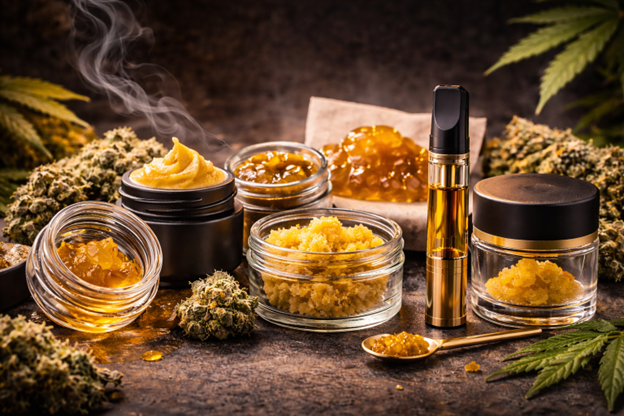
Greenmount produces several cartridge types:
Each cart goes through testing for potency, residual solvents, heavy metals, and microbes. Hardware also meets California rules for leachability and safety.
This is how vape manufacturers in the USA keep trust steady in a crowded market.
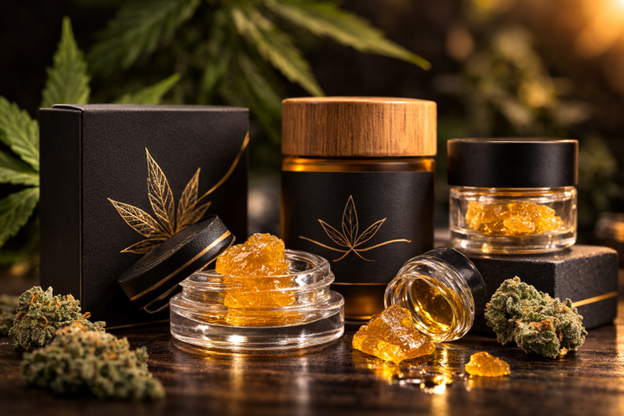
Badder is a soft, whipped concentrate with a creamy texture. It comes from hydrocarbon extraction but goes through a different post-processing step. Gentle whipping during purging gives it a smooth consistency.
Greenmount’s badder production focuses on:
Badder often gets released as limited drops or brand collaborations. This keeps each batch special. It also allows quick changes based on material quality or feedback from retailers.
The manufacturing flow follows clear steps. Each one builds on the last.
Every step links back to safety and quality. Nothing moves fast without reason.
| Product Type | Extraction Method | Main Feature | Consumer Preference |
| Live Resin Carts | Hydrocarbon, fresh-frozen | High terpene retention | Flavor-focused |
| Distillate Carts | Distillation | Consistent potency | Predictable effect |
| Rosin Carts | Heat and pressure only | Solventless process | Clean-label users |
| Badder | Hydrocarbon + whipping | Creamy texture, rich taste | Concentrate users |
This table helps explain why different products exist. Each meets a slightly different need.
Meeting cannabis demand is not about speed alone. It is about balance. Vape manufacturers in the USA must follow rules while listening to consumers. That balance shows in small-batch models, flexible production, and clear records.
Greenmount’s approach reflects this balance:
This structure allows a steady supply without losing the craft feel that many buyers still want.
The cannabis vape market keeps moving, but its foundation stays the same. People want products that feel honest, safe, and close to the plant. Licensed manufacturing, careful extraction, and clear testing make this possible.
Through Type 7 systems and small-batch work, companies like Greenmount show how demand can be met without shortcuts. Rosin carts, live resin carts, and badder each tell part of this story. In the end, the quiet work inside compliant facilities shapes what reaches store shelves, one batch at a time.