How a California Cannabis Company Navigates Type 7 Rules
March 16, 2026
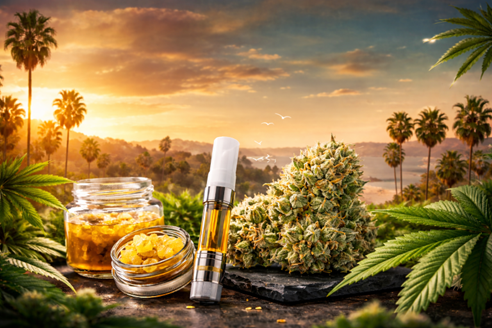
Cannabis extracts have changed a lot over the past few years. What once felt rough and uneven is now careful, measured, and closely watched. People want flavor, strength, and trust in what they use. That is where proper production matters. At Greenmount, the work centers on balance.
Balance between plant and process. Between safety and craft. This blog looks at how a cured live resin cart is made with care, and how steady potency comes from patience, clean systems, and small choices made every day. The aim is not speed, but steadiness.
A cured live resin cart begins with flowers that have been dried and cured before extraction. This step may sound simple, but it shapes the final oil. Curing allows moisture to leave slowly, while the plant settles into a stable state. The cannabinoids stay intact. The terpene profile becomes more predictable.
This type of cart sits between fresh frozen live resin and highly refined distillate. It holds natural flavor, but with a more even feel from batch to batch. Many people choose a cured live resin cart because it feels familiar. The taste is grounded. The effect does not jump around.
Cured material also handles heat and pressure in a more controlled way during extraction. That helps the oil stay consistent once it reaches the cartridge.
Potency is not only about strength. It is about trust. When someone picks up a vape cart, they expect the same feel each time. Sudden spikes or weak pulls can break that trust.
Consistency comes from:
When potency stays steady, the experience feels calm. There is no guessing. This matters for new users and long-time consumers alike. At Greenmount, potency is treated as a responsibility, not a selling point.
Greenmount LLC was founded in 2017 by Thair Daoud, Zaid Jadan, and Steven Daoud. From the start, the focus stayed on manufacturing, not hype. The company operates as a licensed Type 7 cannabis manufacturer in California.
Type 7 manufacturing allows volatile solvent extraction. This includes butane, propane, and ethanol systems. These methods carry a higher risk, so the rules are strict. Facilities must meet fire code. Equipment must be certified. Staff must follow written procedures.
Greenmount works inside these limits every day. The goal is to produce clean concentrates while staying safe and compliant. This structure supports steady output, which is needed for products like cured live resin carts, rosin carts, and badder.
Type 7 facilities are built with care. They do not feel casual. Every room has a purpose.
Key parts of the environment include:
Workers are trained for emergencies and normal operations alike. Each step is logged. Each batch is tracked in METRC from plant to finished item.
This level of structure helps reduce variation. When systems behave the same way each day, the oil follows suit.
The path from cured flower to vape oil has several stages. Each one matters.
Only after all of this does the oil reach the filling stage.
Greenmount works in small batches. This choice slows things down, but it brings clarity.
Small batch production allows:
When a cured live resin cart is made this way, the result feels more stable. The oil behaves the same from start to end. That is hard to achieve in large runs where minor shifts go unnoticed.
Small batch also supports limited drops and seasonal material, without forcing a one-size approach.
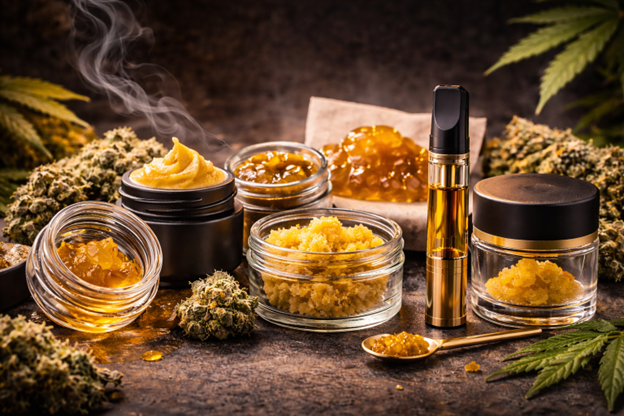
While cured live resin carts hold a steady place, they are not alone. Greenmount also produces rosin carts and badder. Each product teaches something useful.
Rosin carts
These come from solventless extraction. Heat and pressure press oil from the flower or hash. The process is gentle, but it demands clean input. Rosin carts appeal to those who want minimal handling. The texture and taste can vary more, so learning from rosin helps improve control across all products.
Badder
Badder has a whipped, creamy form. It comes from hydrocarbon extraction, followed by careful agitation. Badder work trains the team to manage texture, purge timing, and terpene retention. These skills feed back into vape oil production.
Filling a vape cart is not as simple as pouring. It requires precision.
Steps include:
Hardware also matters. Vape cartridges must meet California rules for heavy metals and leaching. Each part is tested. If hardware reacts with oil, it can change taste or safety.
Once filled, carts are capped and labeled according to state rules. Nothing leaves the facility without proper documentation.
Every product must pass testing before sale. This includes:
All results are logged and tied to a batch number. METRC tracks each step. If an issue appears, the batch can be traced back to its source.
This system protects both the company and the consumer. It also supports consistency. Patterns become visible over time. Adjustments can be made calmly, without guesswork.
Cured live resin cart production is not flashy work. It asks for patience, clean habits, and respect for limits. At Greenmount, the process rests on steady hands and clear rules. Potency becomes consistent because nothing is rushed. From cured flower to sealed cartridge, each choice carries weight.
Rosin carts and badder add depth to the craft, while Type 7 standards keep everything grounded. In the end, the product reflects the space it was made in. Quiet, careful, and meant to feel the same each time it is used.