Different Types of Cannabis Concentrates and How They Compare
October 9, 2026
The cannabis vape space has changed a lot over the past decade. What once felt loose and unclear now sits under strict rules, higher consumer care, and deeper product knowledge. Many people ask what really sets the best cannabis vape manufacturer apart today.
The answer is not loud branding or fast growth. It is quiet work, steady hands, safe rooms, and respect for the plant. This blog looks at those markers through the lens of modern manufacturing, small-batch focus, and the real work happening behind closed doors.
Quality once meant a strong effect alone. That idea has faded. Today, quality means balance. It means clean oil, true flavor, and repeat results. Vape users now ask where the material came from, how it was handled, and what tools touched it.
A careful manufacturer does not rush steps. Each batch gets time. Each run is checked. This slow pace often leads to fewer units but better trust. In regulated markets like California, quality is also tied to rule-keeping. The best cannabis vape manufacturer today understands that quality lies in the details that people never see.
Large runs can hide problems. Small batches bring them to light. Many respected manufacturers now choose small-batch production, even when it costs more and takes longer.
Small batches allow teams to watch texture, color, and scent during each stage. If a badder batch whips wrong or purges slow, adjustments happen right away. If a rosin cart feels too thick for a cartridge, it gets fixed before filling.
This approach supports strain-based work. Fresh harvests can turn into limited releases. Each batch reflects the plant it came from, not a formula copied again and again. For many users, this honesty is what they value most.
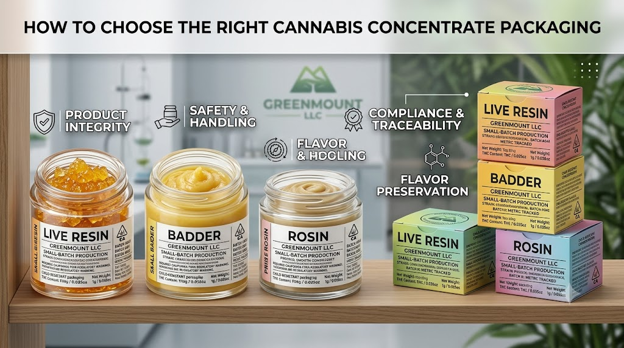
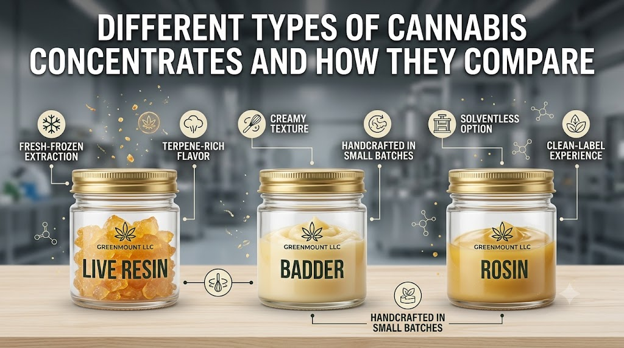
Not all vape products are the same. The process behind them shapes how they feel and taste. A clear view of these products helps explain what separates careful manufacturers from rushed ones.
Each form demands different skills. A manufacturer that handles all of them under one roof shows range and care.
Rosin carts sit in a special place. They come from pressing flowers or hash with heat and pressure alone. This method keeps the process close to the plant. There are fewer steps, but little room for error.
Rosin can burn or darken if pushed too far. It can clog carts if not blended right. Making a smooth rosin cart takes patience and a steady hand. Many small-batch manufacturers treat rosin as a craft product, not a volume item.
The rise of rosin carts shows a shift in user taste. People now value how something is made, not just how it hits.
Live resin carts begin long before extraction. They start at harvest. Fresh flower is frozen right away to hold their terpene shape. This step locks in aroma and taste.
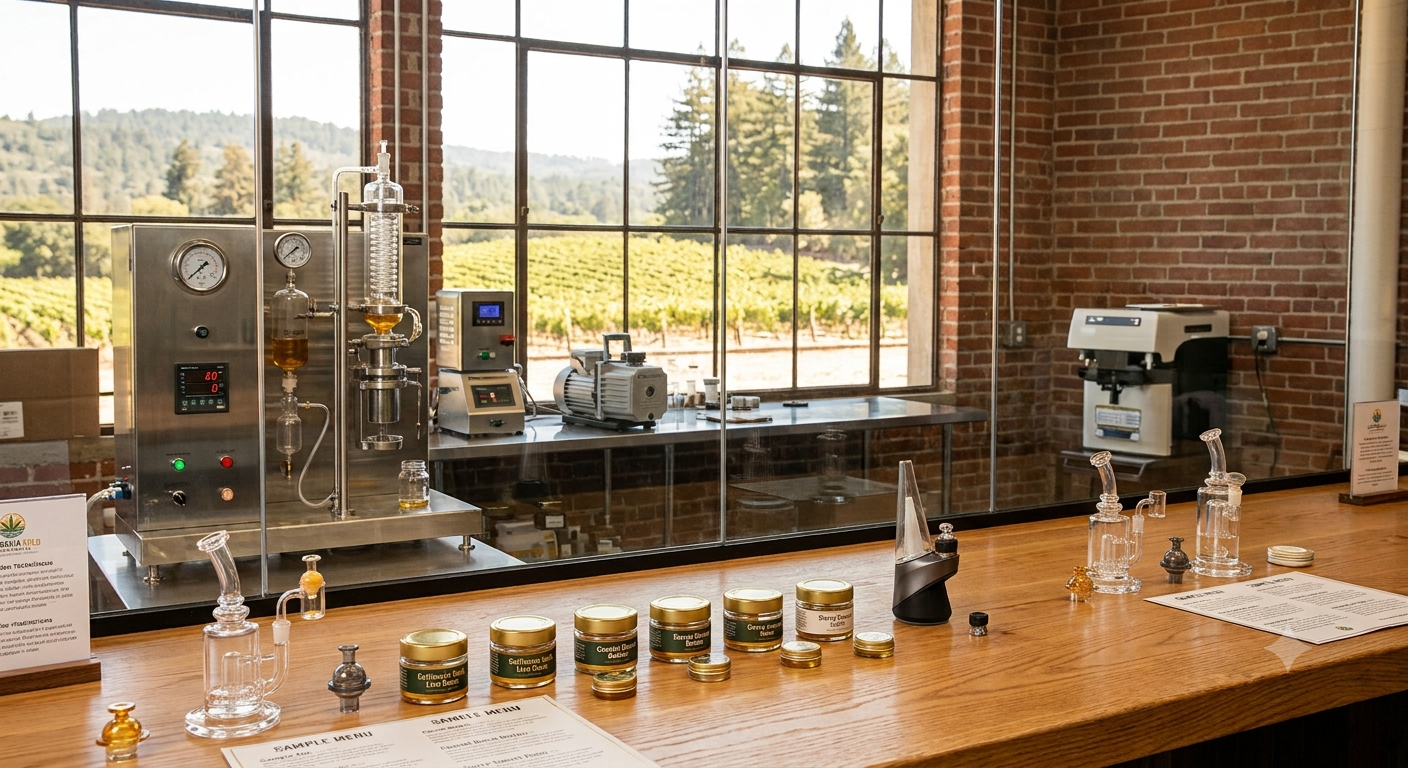
In a Type 7 setting, live resin extraction uses closed-loop systems. The process pulls oils while keeping volatile compounds stable. After extraction, careful purging removes solvent without stripping flavor.
Live resin carts often show the true nature of a strain. They carry lighter notes and deeper layers. For many users, this feels closer to the original plant experience.
Badder may look simple, but it demands skill. Its whipped form comes from timing, heat, and motion. Too much heat dries it out. Too few leaves are solvent behind. In small-batch settings, teams watch badder closely. They adjust whip speed and purge length. Badder also shows how a manufacturer treats post-processing. Care here reflects care everywhere else.
Behind every cartridge or jar sits a long paper trail. Each batch must pass state testing. This includes checks for potency, residual solvents, heavy metals, and microbes.
Type 7 sites also follow worker safety rules. Ventilation systems run constantly. Electrical parts meet explosion-proof standards. Emergency plans sit ready, even if never used.
This quiet discipline rarely gets praise, but it protects workers and users alike. A serious manufacturer accepts this work as part of the job, not a burden.
Understanding the steps helps show where care enters the process. Below is a simple view of a typical small-batch production flow.
| Stage | Key Actions | Purpose |
| Input Prep | Fresh-frozen flower or premium hash | Preserve terpene content |
| Extraction | Volatile or solventless methods | Pull oils safely |
| Post-Processing | Purging, whipping, blending | Shape, texture, and flavor |
| Filling | Precision cart filling | Avoid leaks and waste |
| Packaging | Labeled and sealed | Meet state rules |
Each stage affects the next. A weak step early shows up later. This is why skilled teams watch every phase.
So what defines the best cannabis vape manufacturer today? It is not speed or size. It is care shown in quiet ways. It is safe rooms, trained hands, and honest batches. It is the small runs that tell the truth of the plant.
In places like California, where Type 7 rules set a high bar, this work matters more than ever. When rosin carts taste clean, live resin carts feel true, and badder holds its form, the effort behind them speaks. That steady effort is what lasts.